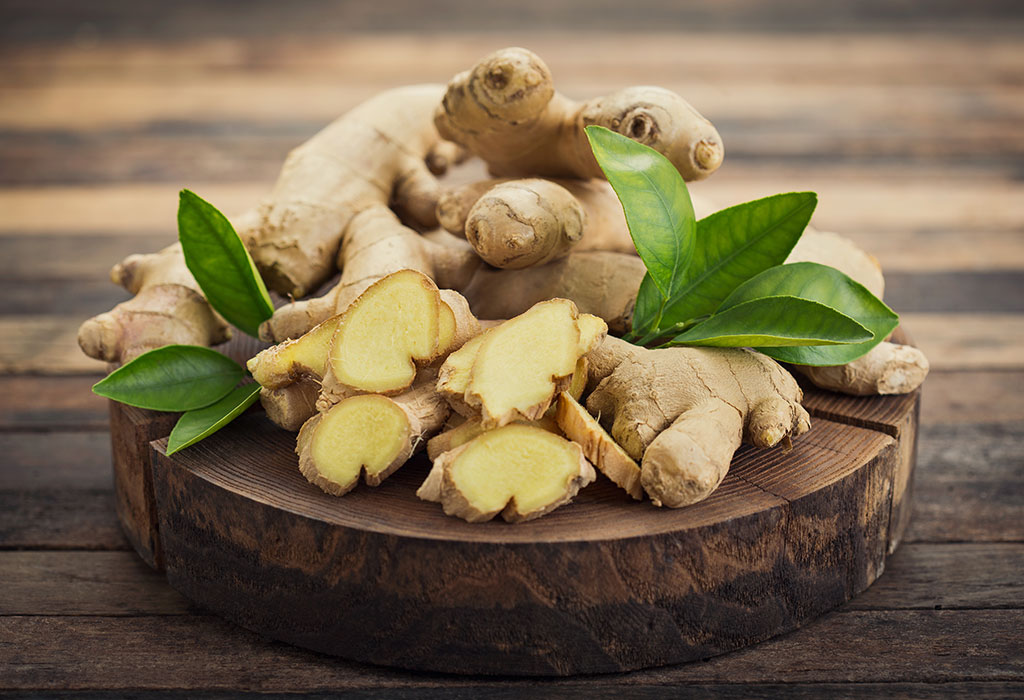
Ginger : Traditional Panacea for Modern Era

Ginger, in Ayurveda, has been referred to as “Vishwa Bhejas”, meaning, a panacea for the whole world. It suits to one and all alike. Historically, Ginger was the most traded spices from India to across the world. No surprise, for this very reason it is found in every Indian kitchen since ages and now globally too owing to its flavoring and therapeutic properties.

It is a widely accepted panacea for digestive, respiratory and circulatory disorders known to Indian and Chinese for thousands of years.

Health Wonders of Ginger

Scientifically, it has proved its efficacy in aiding digestive processes beside having anti-inflammatory, anti-carcinogenic, anti-bacterial, anti-oxidant, anti-infection, anti-spasmodic properties. Hence no wonder it is generally referred to as a Super food/Spice of modern era. Let us see of the health benefits of Ginger.

  • Beneficial in Digestion Process

Ginger helps to increase the body’s ability to empty food from the stomach, which is also known as gastric emptying. An efficient digestion system promotes more energy as it found that approximately 60 percent of body’s energy is engaged in metabolism. Ginger improves digestion and with this the metabolism improves with increase in energy levels. This is possible because the quicker you can digest the food, faster will get the vitamins and minerals absorbed from the food you intake.  

  • Beneficial in Relieving Nausea

Research indicates ginger helps in minimizing morning sickness besides relieving nausea following the treatment of cancer. One small study from 2010 examined the effects of ginger root powder supplements on nausea in 60 children and young adults who underwent chemotherapy. The analysis showed that the supplement led to reduced nausea in most of the people who took it.

  • Beneficial in Arthritis Symptoms

Ginger owing to its anti-inflammatory properties reduces the swelling in body parts if any. It is more helpful in treating symptoms of both rheumatoid arthritis and osteoarthritis. One might get relief from pain and swelling either by taking ginger by mouth or by applying raw ginger on your skin according to experts.

  • Beneficial in Cough Disorders

Coughing occurs due to upward movement of the flow of breath or pranavata. Usually the prana flows along the gravity / downwards. Due to obstruction either in constipation or Lungs the normal movement of the prana is hampered. Ginger helps in removing all these blocks, due to its sharp and breaking down properties and reduces Bronchospasm by relaxing the bronchial vessels. Since the pranavata normalises in flow the coughing problem tends to cool down.

  • Beneficial in Cardiovascular Disorders

There are some evidences according to research that ginger extract is helpful in cardiovascular disease. For instance, one review found that a dosage of 5 gms or more can cause significant, beneficial antiplatelet activity. Meanwhile, one small study found that ginger extract helped reduce the occurrence of heart abnormalities among rats with diabetes. Some researcher have found that this reduction may stem, in part, from the antioxidant properties of the ginger.

  • Helpful in Lowering Blood Pressure

Hypertension or High blood pressure is a very common problem faced in the so called stressful modern world largely owing to wrong eating habits like fatty, oily and processed foods. In fact, if hypertension is untreated it can lead to damage to arteries, heart, brain, kidneys, and even eyes in some cases. Ginger have been shown to improve blood pressure in combination with medication by acting as a vasodilator—expanding your blood vessels. This is helpful for increasing circulation in the body, which reduces the overall blood pressure of the body. Ginger also contains potassium, a mineral that research has found can help lower blood pressure.

  • Ginger has Antibacterial Properties

Many research has found that ginger is an effective antibacterial for many drug-resistant bacteria in clinical applications. In a study, the researchers stated that ginger has great potential in the treatment of many microbial diseases. Its antibacterial benefits extend to oral health as well.  Ginger have been shown to slowdown the growth of pathogens that contribute to inflammation of the gums caused by gum bacteria.

  • Beneficial in Reducing Menstrual Pain

Although there are many over the counter medication available for this specific pain, ginger too provides some kind of relief in such situation. A research has found that ginger is as effective as ibuprofen in reducing the pain associated with painful menstruation in women. Menstrual cramps in the abdomen and lower back are commonly associated with painful mensuration. Hence next time when you in similar situation no harm in trying ginger.

How to use Ginger
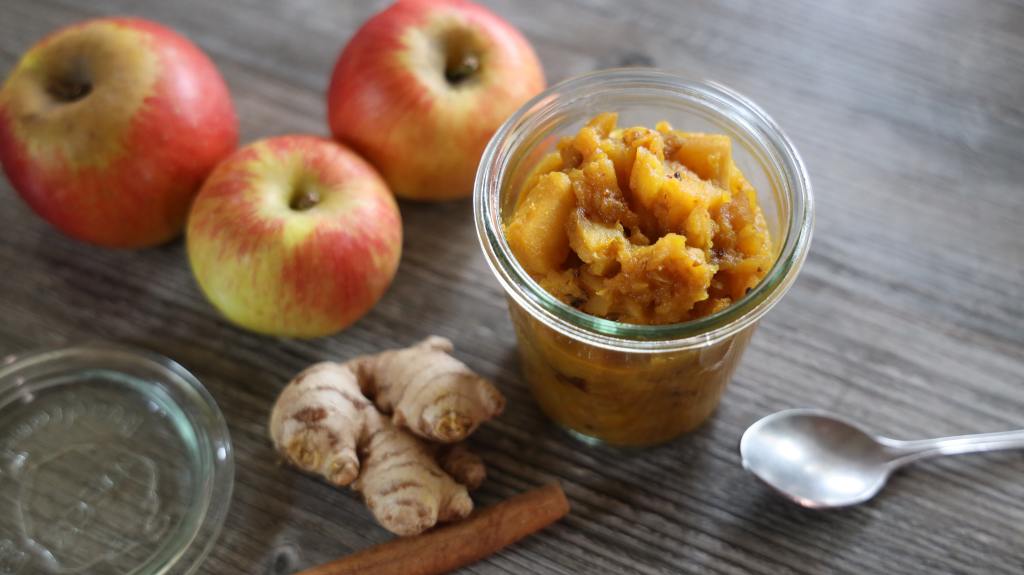
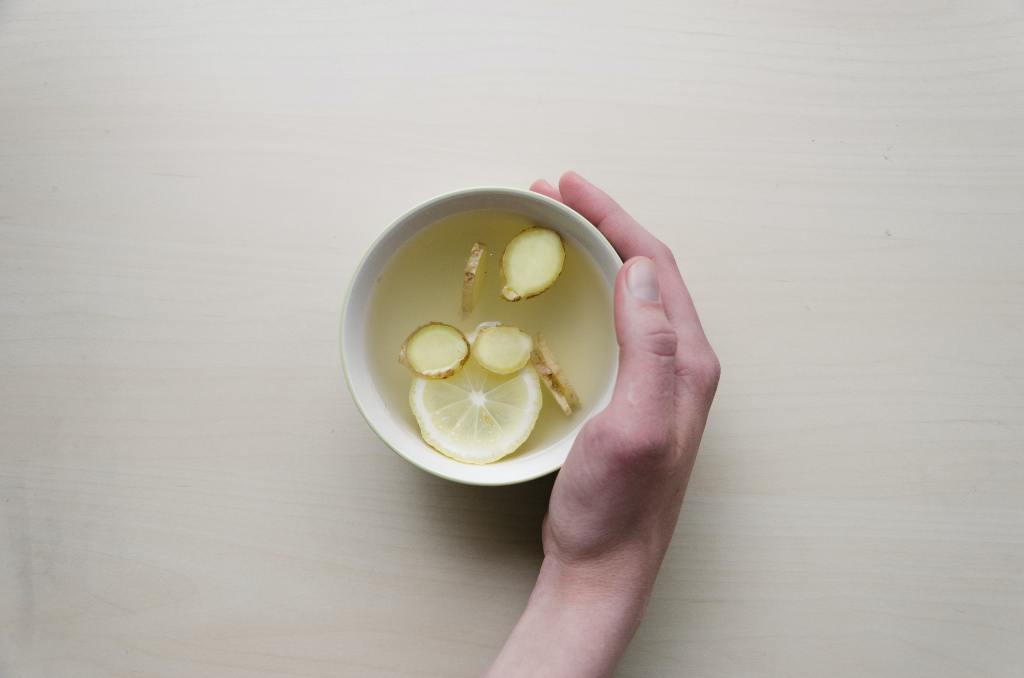
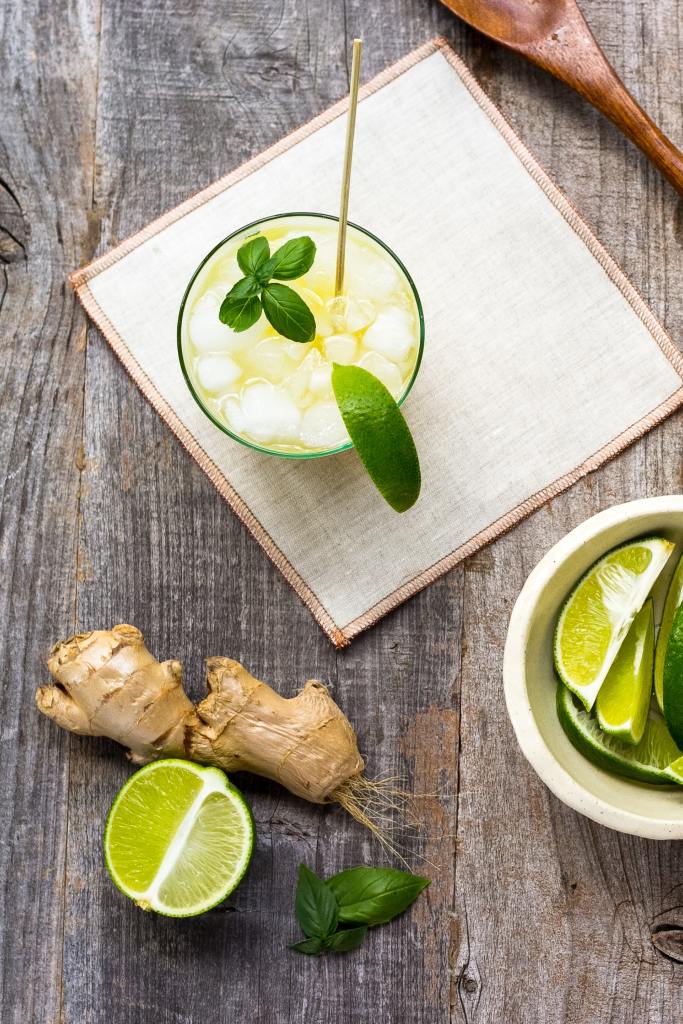
  • Fresh Ginger Root: It is considered to be the most potent form of ginger and also the most healthy. It can be sliced and used in hot water which acts as an excellent rejuvenator.
  • Ginger Powder : Dried ginger powder is commonly used as spices in food preparation and curries. Can be used in hot water for sore throats. 
  • Ginger capsules: Easiest way to get ginger into your diet if don’t like its taste The ground ginger powder is added to a capsule for easy consumption at any time of day.
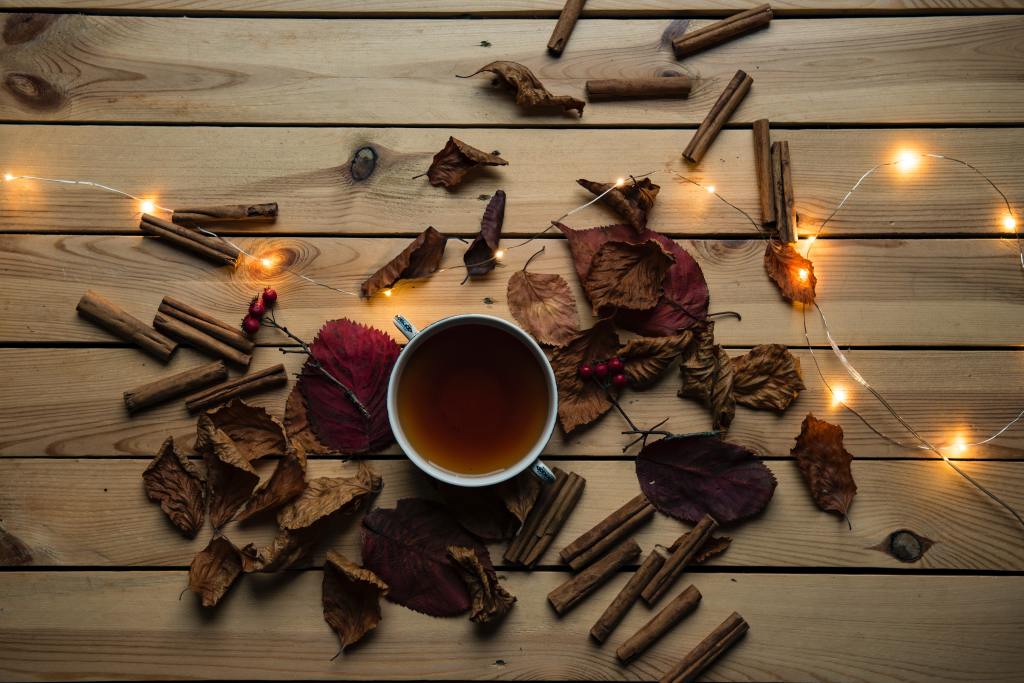
  • Ginger tea: You can make ginger tea using fresh ginger or ginger powder by adding it to the boiling water. These are great to have on hand if feel nauseated or want to settle your stomach after eating. Mix ginger powder with cinnamon, cardamom, clove and fennel for a great herbal tea you never had before.  
  • Ginger oil: Ginger oil can be taken internally or rubbed topically to treat pain. Ginger essential oil has many soothing properties and is useful to use for massages.
References

General Information from Publications & Internet

Dr. Sandeep Shah, Parmanand Yoga Health and Research

Clinical Nutritionist – Lauren Venosta

Vibrant Colours & Its Significance

https://www.redbubble.com/i/sticker/Devotion-by-BeingSenseless/49821000.EJUG5#&gid=1&pid=3

Colours are quite unique in itself. Colours flare you up…Colours bring you down…Colours Energize you…Colours Depress you…Colours makes you Glad or Sad and the list continues…

So, in reality, colours speak for themselves and have a significant impact of one who sees it. Colours have powerful effect on our mood. Some colour attracts us more than others.

In fact, according to colour therapy or in other words Chemotherapy, Colours do have healing power owing to their inherent frequency which varies from Colour to Colour. It is widely recognized by Colour experts that Rainbow Colours promotes a fine balance between body and mind and eventually the soul.

Let us dive deep into the Ocean of Colours and its meaning or significance.

Red Colour

Colours attract attention.In fact, the reddish colour is one of the most vibrant among all the ocean of Colours. Other Colours can be nice or pretty but red is the most vibrant.There are many significant to oneself that is reddish in Colour. Red is the Colour of your blood for example. In human consciousness, Colours have a big impact upon how you feel, and red creates maximum vibrance. Anything exuberant means red. 

Red Colour is usually associated with excitement, passion, danger, energy, and action. Psychology wise, Red is the most intense Colour which can provoke the strongest emotions.

Blue Colour

The Bluish colour signifies all-inclusiveness in the existence, according to Sadaguru. Anything that is vast and beyond your perception generally tends to be blue, whether it is the ocean or the sky. Anything which is larger than perception tends to be blue because blue is the basis of all-inclusiveness. Therefore, the Bluish Colour represents Stability, Harmony, Peace, Calm and Trust.

Orange Colour

Orange is the Colour of rising Sun. It indicates that a new light has come and indicates a new beginning. A new sun is beginning to rise within you. When the fruits is ripe or mature, it begins to turn orange. So it is also signifying a sign of maturity. When a person has attained to a certain level of maturity or ripening, he uses this Colour, spiritually speaking.

In Colour psychology, orange represents creativity, adventure, enthusiasm, success, and balance.

White Colour

Absence of any Colour means white. White is not a Colour. In fact, white is the eighth Colour beyond the seven Colours of a Rainbow. Still white is all-inclusive. The white light that you see contains all of the seven Colours. You can refract those Colours and separate all seven of them.

White has a good impact on you. Spiritually, monks who wears orange wants to cuts himself from family and social things. One who chooses on spiritual path, is still involved in the other aspects of life. Those who are on a path where they don’t want to gather anything will wear white. 

In Colour psychology, white showcases innocence, goodness, cleanliness, and humility.

Black Colour

If you want to absorb the powerful energy around your environment, black is the most suitable colour. It only absorbs without giving anything. Hence if you wear black and go to a good space, you will absorb that. But if you wear black and go to a bad space, you will absorb that.

So, not everyone is qualified to wear black. If you continuously remain in black clothing and expose yourself to a variety of situations, you will notice that your energies will fluctuate and it sucks out all the emotion from you and gets your mind into very volatile, imbalanced states. It makes you into a silent suffering. Black should be worn only if you are ensured of the quality of the space, according to Sadguru.In Colour psychology, Black Colour symbolizes Mystery and Power.

Yellow Colour

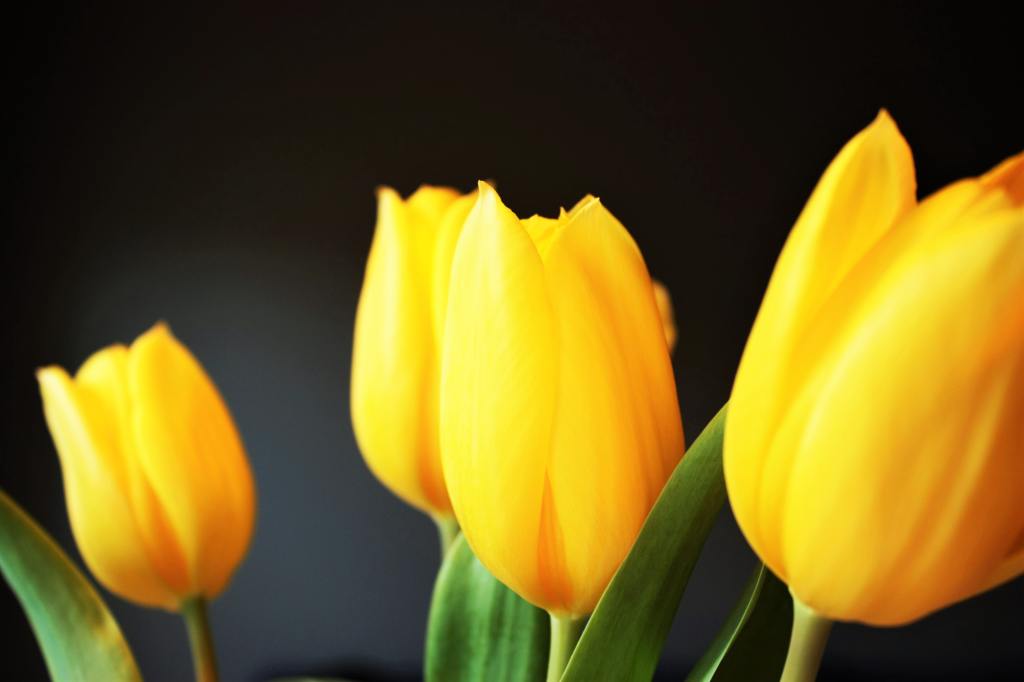
A Yellowish Colour represents Logic, Creativity, Personal Humour, Intellect, Lightness.

Yellow is a Colour of Happiness, Hope, Optimism, and confidence too. So person wearing a Yellow Colour can be of one having one of the traits mentioned above. Yellow colour aids in digestion capacity of a person.

Pink Colour

In Colour psychology, the meaning of Pinkish Colour revolves around femininity, playfulness, immaturity and unconditional love. Pink is symbolic of sweetness and to bring softness in to your life.

Green Colour

Nature is always Green. Clearly Green represents abundance of nature and money as well. Greenish Colour is also associated with Growth, Fertility and Generosity besides being Cheerful. Cheerful and generous people have inclinations toward Greenish shades.

References & Sources of this Informative Blog

General Information from Publications & Internet.

Sadguru article-meaning of Colours

Brand Expert – Nicole Martins Ferreira

Yoga Instructor – Jennifer Carter Avgerinos

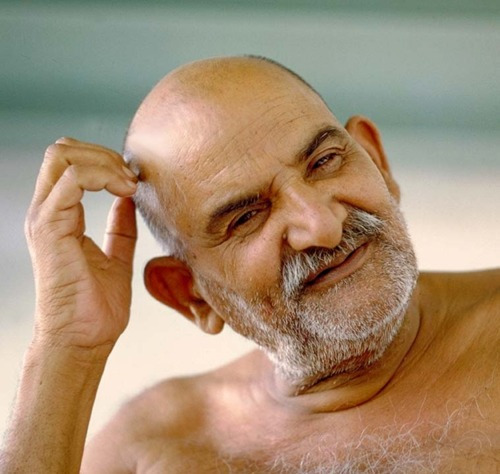
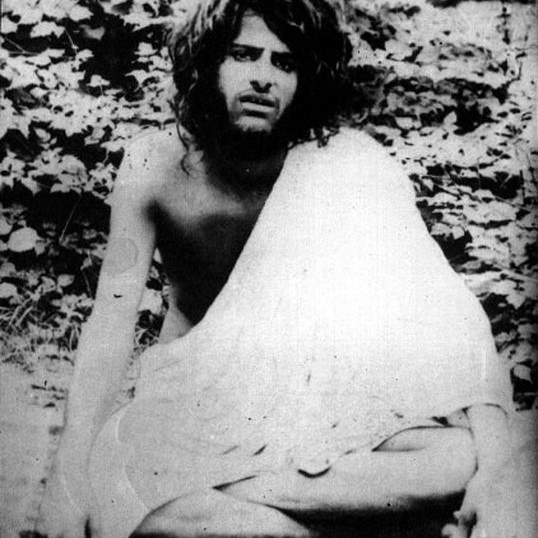
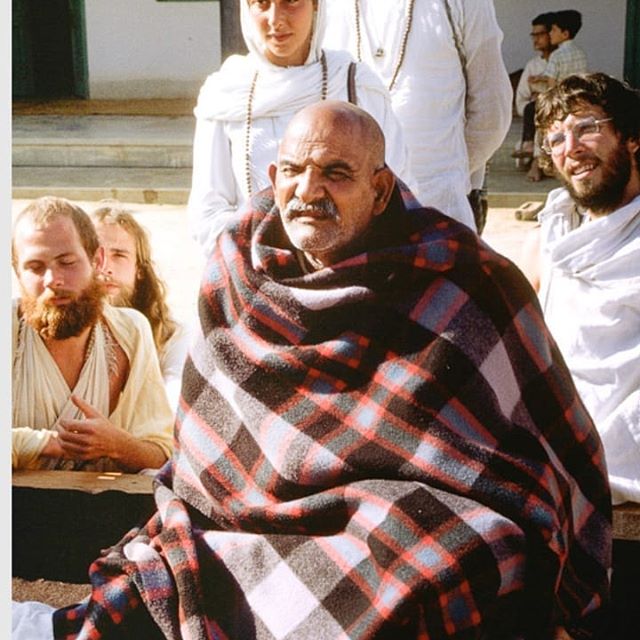
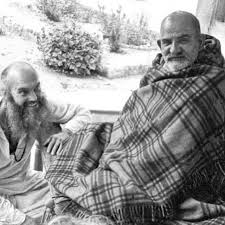
Maharaj ji – Baba Neem Karoli (Wonder Mystic of India)

“When you remember me, I come to you.”

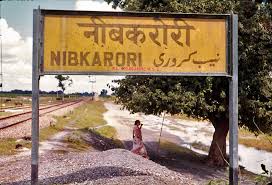
Maharaj ji was born in the village Akbarpur (Firozabad district) of Uttar Pradesh (India).  From early childhood Maharaj ji was detached from worldly attachments. Immediately after an early marriage Maharaj ji left home and went to Gujarat. He roamed around various places in Gujarat and the entire country. After around 10-15 years (this is approximate and is as told by elders from village of Akbarpur) his father was informed by someone that he had seen a sadhu (ascetic) who was a lookalike of his son in the village of NeebKarori (misspelt as ‘Neem Karoli’ at times) in the Farukhabad district in Uttar Pradesh.

One Divine Soul – Many Name

Maharaj ji was born as Lakshmi Narayan Sharma and this was the name given to him by his parents. When he left his home and wandered in search of truth, he came to be known as Lakshman Das. When he did tapasya at Bavania in Gujarat, he was known as Tallaiya Baba.

Later when he lived at the Indian village of NeebKarori, he was called NeebKarori Baba by the local villagers. There is a lot of confusion about the spelling of ‘NeebKarori’. NeebKarori is the phonological translation of the same word from Hindi. Neeb is also sometimes written as Nib and Karori is sometimes written as Karauri. The ‘ee’ in Neeb is to be pronounced as in ‘speed’ and the ‘o’ in Karori is to pronounced as the ‘a’ in ‘raw’. It is to be noted that the name NeebKarori was taken up by Maharaj ji himself. He has signed with this name at some places. Neeb (In pure hindi – neev) means foundation and Karori (in pure hindi – karari) means strong. So Neeb Karori means a strong foundation.

Divine Teachings

Maharaj ji’s teachings were simple and universal. He often said, “Sub Ek” — All is One. He taught us to “love everyone, serve everyone, remember God, and tell the truth.” Strongly connected to Hanuman, the Hindu God in the form of a monkey, Maharaj ji “taught” in a highly personalized, non-traditional way that reflected the deep devotion of the bhakti path of the heart. Known as the “Miracle Baba” throughout north India, He manifested many siddhis (powers), such as being in two places at once or putting devotees in samadhi (state of God consciousness) at the touch of a finger.

Maharaj ji is best known for the unconditional love He showered on all who came into His presence as well as those who never met Him in the body but established a connection to him beyond the physical plane.

Maharaj ji & His Mystic Ways

Maharaj ji was once wandering somewhere in Eastern U.P. At one place he passed by a railway station. The train happened to be at halt. He had a fancy to travel some distance by train. He got into a nearby coach and sat in an upper class compartment. After a while the train started and continued its journey. Some time later, a Travelling Ticket Examiner saw this somewhat uncouth, rustic-like person occupying the upper class seat and approached him and asked for his ticket. Maharaj ji just looked up at him once and paid no further attention to his query. He continued to remain silent in contemplation. The Ticket Examiner was annoyed. He demanded to see the ticket. It was those days when most of the railway staff was either British or at least Anglo-Indian. Mahara jji shook his head and spread out his empty hands. The Ticket Examiner understood the situation and decided to take action. Soon after, the train stopped for a brief halt at a small way-side station in the country-side. Maharaj ji was ordered to get down. He promptly obeyed, left his seat, got down out of the carriage and walking a few steps along the dusty platform went and stayed under the shade of a tree. He seemed absolutely unconcerned of whatever had happened. He paid no attention to what was going on around him. In a couple of minutes the bell rang, the railway guard blew his whistle and waved the green flag. The engine driver sounded the whistle and started the engine. Nothing happened. The engine did not move and the train continued to stand where it was. After a few minutes the guard got down and walked up to the engine driver to enquire what the trouble was. No trouble could be detected. Everything seemed to be all right. The engine driver checked everything and tried again. No result. More time passed. The Station Master became anxious. Another train which was due to come by was held up at some station up the line. Telegraphic messages started coming. 15 minutes, 20 minutes and then half an hour passed. Anxiety built up. Then a subordinate member of the staff very timidly approached the Station Master and pointing to Maharaj ji sitting under the tree insisted that the whole situation was due to having shown disrespect to the holy man. He suggested that the only way out of the impasse was to approach him and beg his forgiveness and request him to continue his journey without any hindrance. This was conveyed to the guard and the engine driver. At first they vehemently refused to do any such thing but as more time passed, better reason prevailed. They respectfully approached Maharaj ji, saluted him, asked to be excused for their rudeness, requested him to bless the train and invited him to continue his journey. Maharaj ji looked up and glanced at them for a moment and said “All right, Chalo. Hum chalenge, Hum chalenge” (“All right, Go. I shall come along, I shall come along”) and got up and re-entered the train. Immediately the engine gave a jerk and the train started to move as though nothing had happened. A little crowd, which had gathered there, in the meanwhile, loudly acclaimed Maharaj ji with awe in their voice. From then onwards no Railway Officer ever interfered with Maharaj ji’s free movement in any train he fancied.

Maharaj ji & Temples

Maharaj ji has prompted and supervised the construction of several beautiful and very impressive Hanuman Mandirs. These temples enshrining Sri Hanuman are powerful attractions to innumerable devotees. One such most attractive and impressive Hanuman Mandir is in Lucknow. Sri Hanumanji shrined in Baba Neem Karoli’s Ashram at Kainchi is also a centre of worship. In Brindavan also there is a beautiful Hanumanji temple.

Unique Encounters with Devotees

  • Maharaj ji & Julia Roberts

Hollywood star Julia Roberts became interested in Hinduism after seeing a picture of Hanuman devotee Hindu guru Neem Karoli Baba, who died in 1973. Roberts said that her interest in Hinduism “came from seeing a picture of a Guru called Neem Karoli Baba and I was so drawn to this picture of this person and I did not know who he was or what he was about but felt a very strong interest.” 

  • Maharaj ji & Mark Zuckerberg

Mark Zuckerberg, founder of facebook, influenced by Steve Jobs, visited Neem Karoli Baba’s (Maharaj ji) ashram in Kainchi. During the townhall meeting with PM Modi, Facebook CEO Mark Zuckerberg revealed that when his company was going through a tough patch, Steve Jobs advised him to visit a temple in India, where the Apple co-founder had also experienced life-changing spiritual reflection. “He told me that in order to reconnect with what I believed as the mission of the company, I should visit this temple that he had gone to in India, early on in his evolution of thinking about what he wanted Apple and his vision of the future to be, the month-long trip reinforced for me the importance of what we were doing,” Zuckerberg said.

  • Maharaj ji & American Tech Titans

The mystery is why this modest ashram would attract such asteady stream of American tech visionaries. Along with Steve Jobs and Zuckerberg, Google’s Larry Page and Jeffrey Skoll, co-founder of eBay, have also made the pilgrimage.

“Everybody in the world wants to go and see this place,” said Larry Brilliant, a Doctor who once lived at the ashram and later became head of Google’s philanthropy division. “It’s a combination of ‘Eat Pray Love,’ know thyself and change the world.”

  • Maharaj ji & Steve Jobs

Steve Jobs arrived in 1974 on a trip around India. He had a growing interest in Eastern spirituality and a classmate had met the guru and urged Jobs to meet him, Jobs told his biographer, Walter Issacson. But when he arrived, suffering from dysentery, Jobs was disappointed to learn that the guru had died the previous September. He spent most of his time walking around nearby villages and reading an English version of “Autobiography of a Yogi,” the story of another famed sage, according to Isaacson.

“He was searching for the same thing all of us search for, what we’re still searching for, the meaning of life, why we live, how we can do anything good in our lifetimes,” said Brilliant, who became a lifelong friend. He was also searching for raw food, as Brilliant puts it — “Where the hell am I going to get a good salad?”Brilliant, who is now senior adviser to Skoll Global Threats Fund, lived at the ashram for three years before Neem Karoli Baba pushed him to leave and take on the smallpox epidemic. At first, Brilliant resisted. Brilliant eventually talked himself into a job at the World Health Organization and worked for the groundbreaking eradication effort.

  • Maharaj ji & Ram Dass

Before Maharaj ji left his body one of the outstanding acts of Grace and Benediction he did was to effect the transformation in the life of an American seeker named Richard Alpert. Well known as one of the acclaimed leaders of the American drug cult, the former professor of the Harvard University was in a state of moral and spiritual crisis in his life when Maharaj ji mysteriously drew him to himself and cast his glance of Grace upon him. That first Darshan and the benediction worked a miracle in that restless soul and soon transformed him into a teacher now known to thousands of his followers as Baba Ramdass. This fascinating story is narrated in Ramdas’ book “Be Here Now”, a most interesting and absorbing human document that gives many interesting insights into Baba Neemkaroli ji and his mystic and wonderful personality.

References

General Information from Publications & Internet

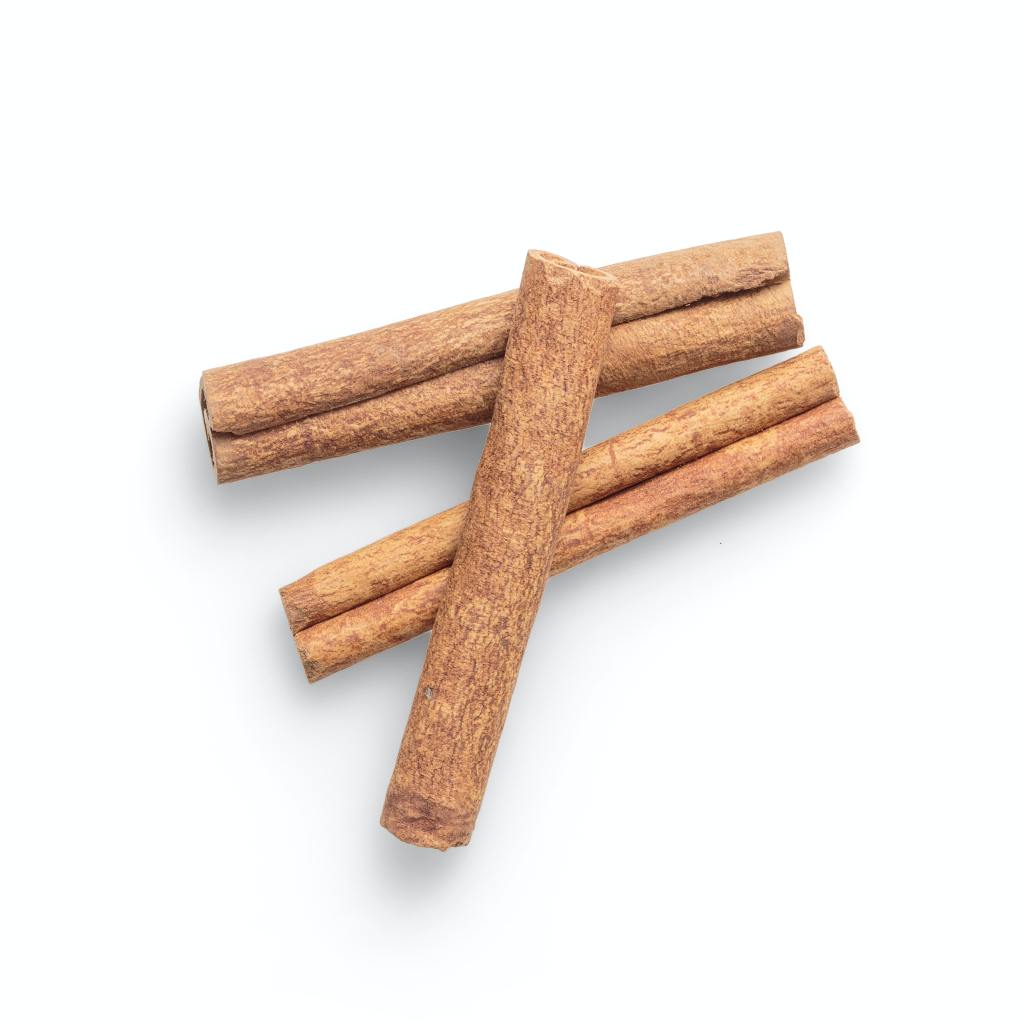
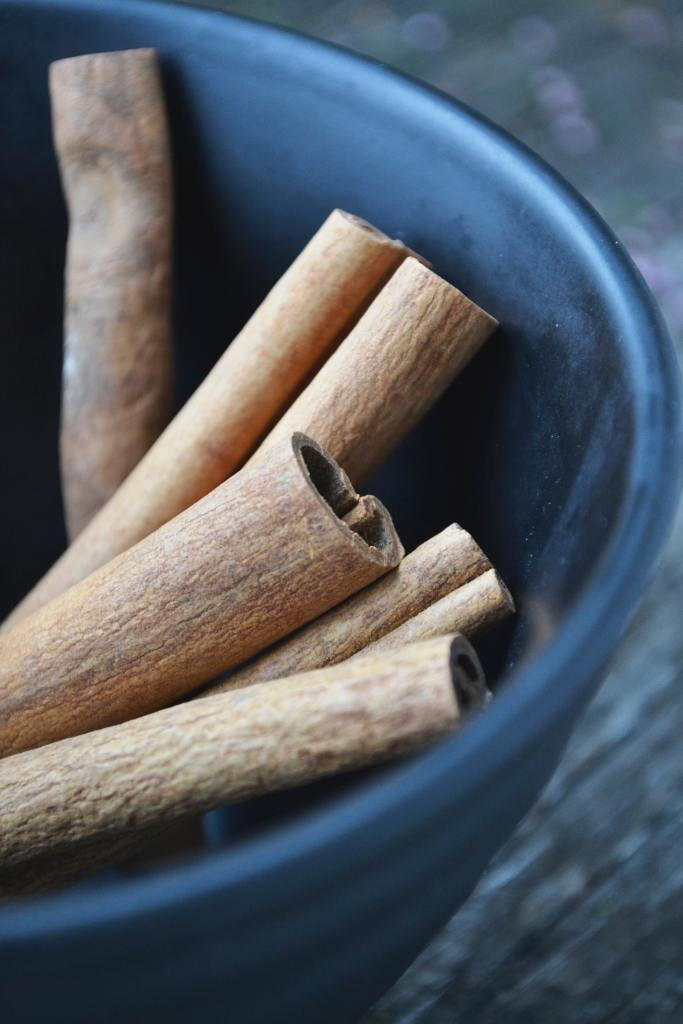
Cinnamon (Dal Chini): An Aromatic & Therapeutic Herb

Cinnamon or Cassia in English or Dal Chini in Hindi is a highly delicious and one of healthiest spice from the Treasure of Divine Mother Earth. It is being used since ages across the globe for its aromatic and therapeutic qualities like Anti-Bacterial, Anti-Diabetic, Anti-Inflammatory, Anti-Oxidant, Anti-Spasmodic to name a few.

Alternative Medicinal Experts believes that Cinnamon or Dal Chini can help in managing diabetes for helps in improving the uptake of glucose in the body. It is believed to lowers high cholesterol level and also reduces the risk of heart diseases due to its Anti-Oxidant property.

Types of Cinnamon

Ceylon Cinnamon: Found in Sri Lanka & Southern Parts of India and known as “true” cinnamon made from the inner bark of the Cinnamomumverum tree. It is tan-brown in color and contains many tight sticks with soft layers. These features provide a highly desirable quality and texture.

Ceylon cinnamon is less common and has long been prized as a cooking spice. It is quite expensive compared to the more common cassia variety.

Cassia Cinnamon: The more common variety generally referred to as cinnamon originated in Southern China and hence also known as Chinese cinnamon. Cassia tends to be a dark brown-red color with thicker sticks and a rougher texture than Ceylon cinnamon.

Cassia cinnamon is considered to be of lower quality. Almost all cinnamon found in supermarkets is the cassia variety. Cassia has long been used in cooking and in traditional medicine.

Health Benefits of Cinnnamon or Dal Chini


  • Helpful for Diabetes (Type 1 & 2)

Cinnamon is believed to be helpful in managing normal sugar level in a body. In fact, according to Ayurveda, diabetes happens due to an aggravation of Vata and impaired digestion. Impaired digestion leads to an accumulation of toxic remains in the body in the pancreatic cells and impairs the function of insulin. Cinnamon helps to correct impaired digestion due to its Ushna (hot) potency. This reduces Ama and improves the function of insulin, thus manages a normal blood sugar level.
  • Helpful in Digestion

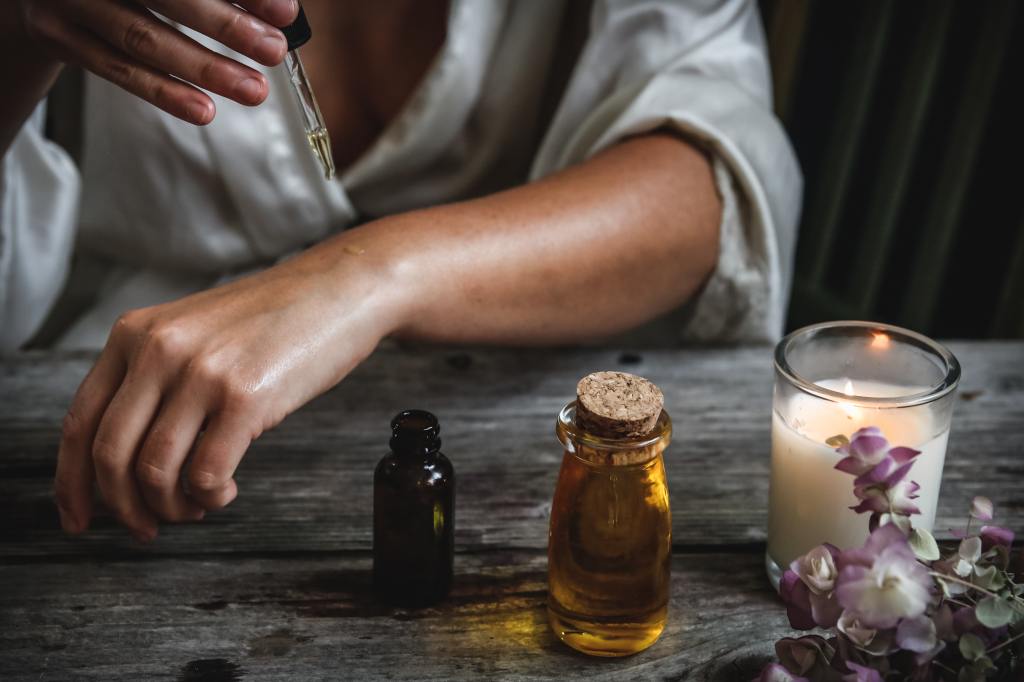
Traditional experts across the globe have used Cinnamon extract to alleviate gastrointestinal problems since ages. It is well known for its carminative property helping in the process of digestion. In traditional Ayurvedic medicine, cinnamon bark oil is used for treating flatulence and digestive imbalance. It is believed that the warmth of cinnamon increases blood flow and improves blood oxygen levels to help fight off illness. To alleviate digestive symptoms, cinnamon is taken as part of a hot drink (much like a tea). In this instance, it’s easier to use ground cinnamon rather than trying to grate cinnamon sticks yourself.

  • Helpful in Preventing Cancer

A study of researchers have noted that cinnamaldehydes found in cinnamon may have anti-tumor and anti-cancer properties. In the study, scientists treated mice with cancer using an extract of cinnamon and cardamom. Tests found lower levels of oxidative stress in the melanoma cells of the mice that received the treatment. However, it should be taken in small doses (half a teaspoon) in boil water for best result.

  • Cinnamon is AntiOxidant

Antioxidants provides protection against oxidative damage caused by free radicals. Cinnamon is a powerful antioxidant as it is loaded with polyphenols that have other health benefits as well. In a study that compared the antioxidant activity of 26 spices, cinnamon wound up as the clear winner, even outranking “superfoods” like Garlic and Oregano. In fact, it is so powerful that cinnamon can be used as a natural food preservative according to some experts.

  • Helpful in Reducing Coronary Artery Disease

Coronary Artery Diseases (CAD) can be reduced with the help of this powerful herb. CAD is mainly due to an imbalance of Kaphadosha which increases the risk of blood clotting. Taking Cinnamon helps to balance Kapha which prevents blood clotting and also reduces the chance of narrowing of arteries.

  • Helpful in Allergy

It is very helpful in managing the symptoms of allergy. It should be taken with honey. An allergy occurs as a result of an accumulation of toxic remains in the body due to improper digestion. Cinnamon prevents the formation of toxins due to its hot nature thereby aiding in allergic condition. One can take 1-2 pinch of Cinnamon powder along with honey after having light food.

  • Cinnamon is Anti-Inflammatory

Inflammation is very important for any type body. It helps the body fight infections and repair tissue damage. However, inflammation can become a problem when it’s chronic and directed against your body’s own tissues. Cinnamon may be useful in this regard. Studies show that this powerful herb or spice and its antioxidants have potent anti-inflammatory properties helpful for body.

  • Helpful in Menstrual pain

It is among the best natural home based remedies to reduce pain during menstruation or dysmenorrhea. Dysmenorrhea is the pain or cramps during or before a menstrual period. Cinnamon has Vata balancing property and gives relief in dysmenorrhea. It controls aggravated Vata and reduces abdominal pain and cramps during the menstruation.
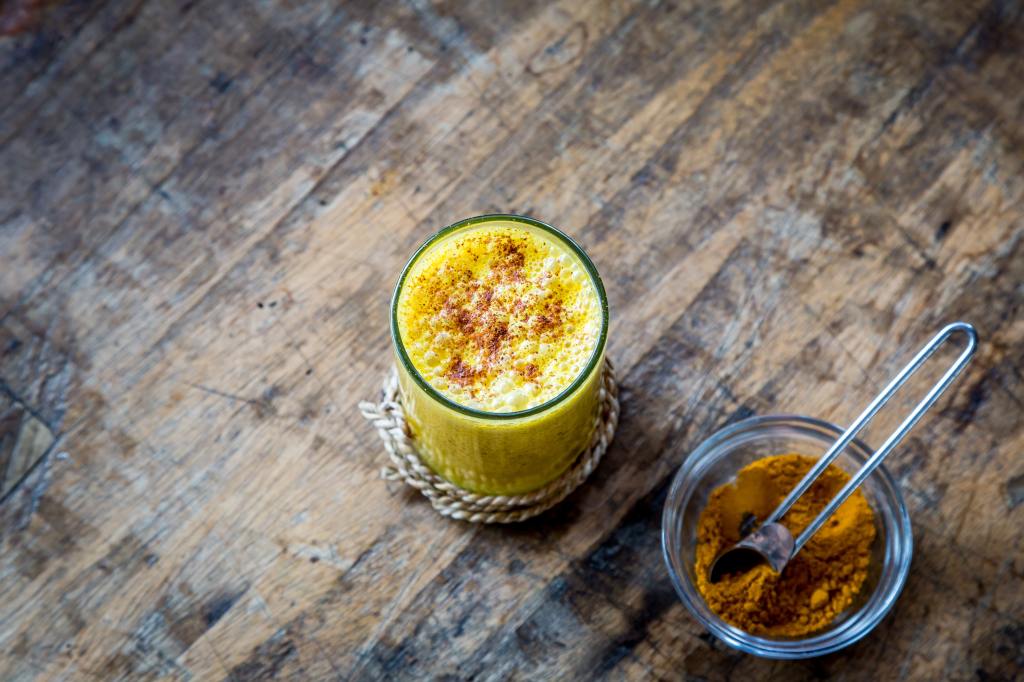
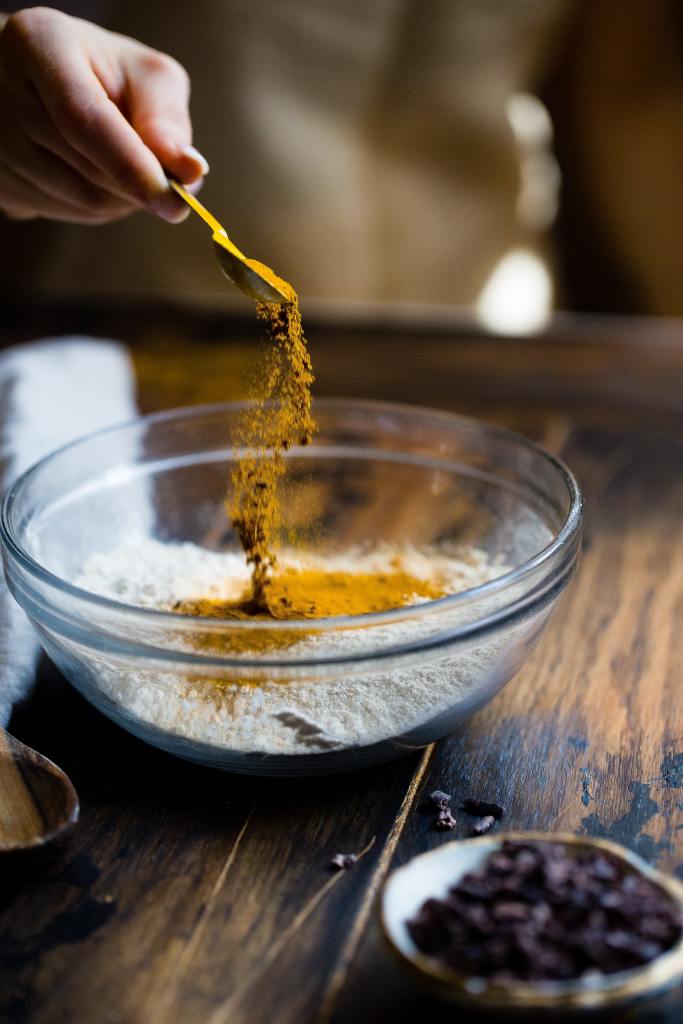
A decoction of 200 ML of water mixed with inches of Cinnamon sticks boiled for 5-7 minutes taken  twice a day to reduce pain during menstruation.

  • Helpful in Acne

Cinnamon has antibacterial property which helps control acne by inhibiting the growth and activity of acne-causing bacteria. It also has anti-inflammatory property and helps reduce pain and redness around acne

 Recommended dosage of Cinnamon

  • Cinnamon Powder – 1-2 pinch of powder twice a day.
  • Cinnamon Capsule – 1-2 capsules in a day.
  • Cinnamon Oil – 2-3 drops or as per your requirement

Cinnamon being hot in nature, it is advisable to take in small quantity and for a short duration of time in case of gastritis or an aggravated Pitta (heat) in the body.It is advisable to take Cinnamon under doctor’s supervision if you have any bleeding disorder like nasal bleeding or heavy bleeding during menstruation. Use Cinnamon oil with caution in case of hypersensitive or oily skin. Very high doses might be toxic, hence be careful of overdose.

 How to Consume Cinnamon

Cinnamon Powder: Take 1-2 pinches of Cinnamon powder, add 1 teaspoon of honey to it after meals twice a day

Cinnamon Capsule: Take 1-2 Cinnamon capsules a day after taking lunch and dinner.

Cinnamon Lemon Water: Take 1 Glass of lukewarm water, add 1-2 pinches of Cinnamon powder and Squeeze ½ lemon into it along with one teaspoon of honey and stir well.

Cinnamon Turmeric Milk: Boil 1 Glass of milk, add 2 pinches of Cinnamon powder and stir. Take it preferably before going to bed for Insomnia and Arthritic pain.

Cinnamon Tea
: Boil on medium flame 1.5 cups of water adding 2 inches of Cinnamon barkfor 5-6 minutes.Strain and squeeze ½ lemon to it. Experts believe this to be good to reduce stress and for weight loss of taken twice a day.

References –

General Information from Publications & Internet

https://www.indianspices.com/ (Spice Board of India)

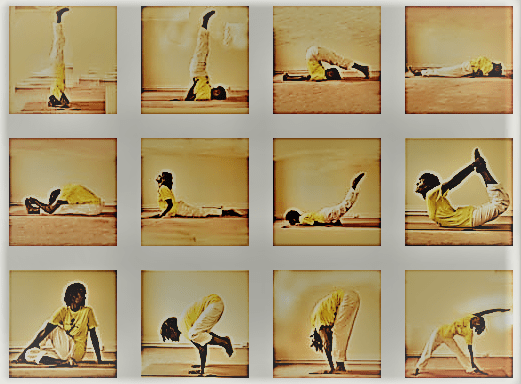
Yoga – The 12 Basic Asanas

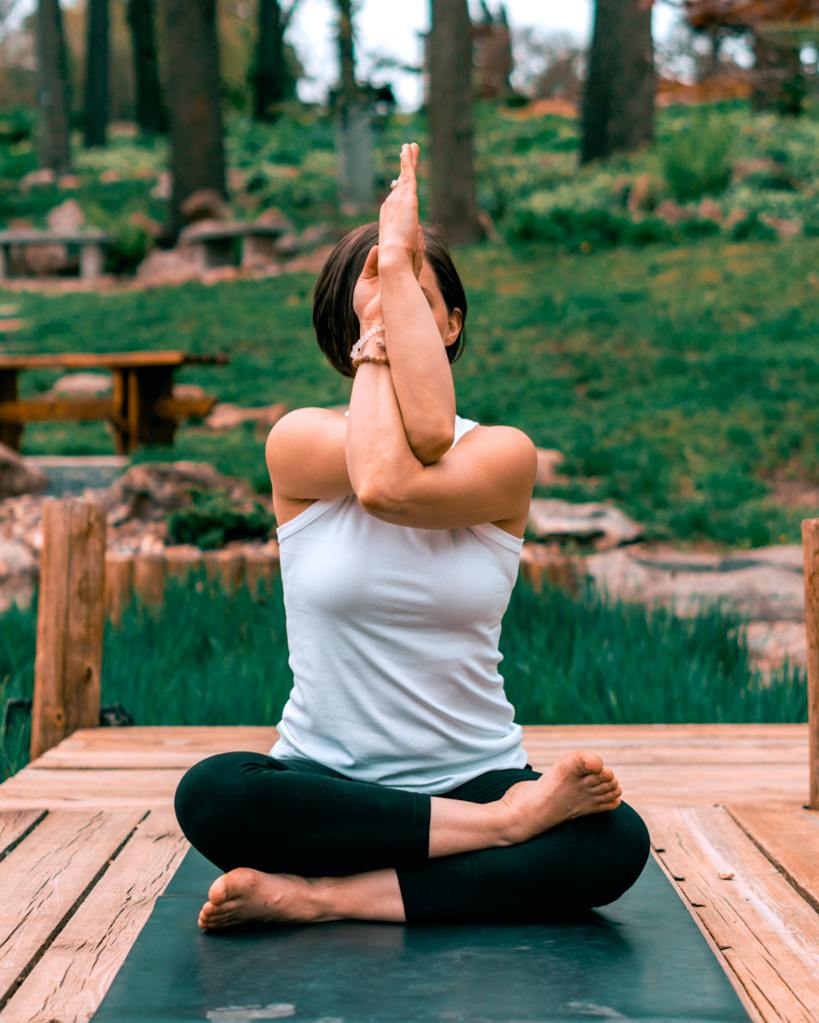
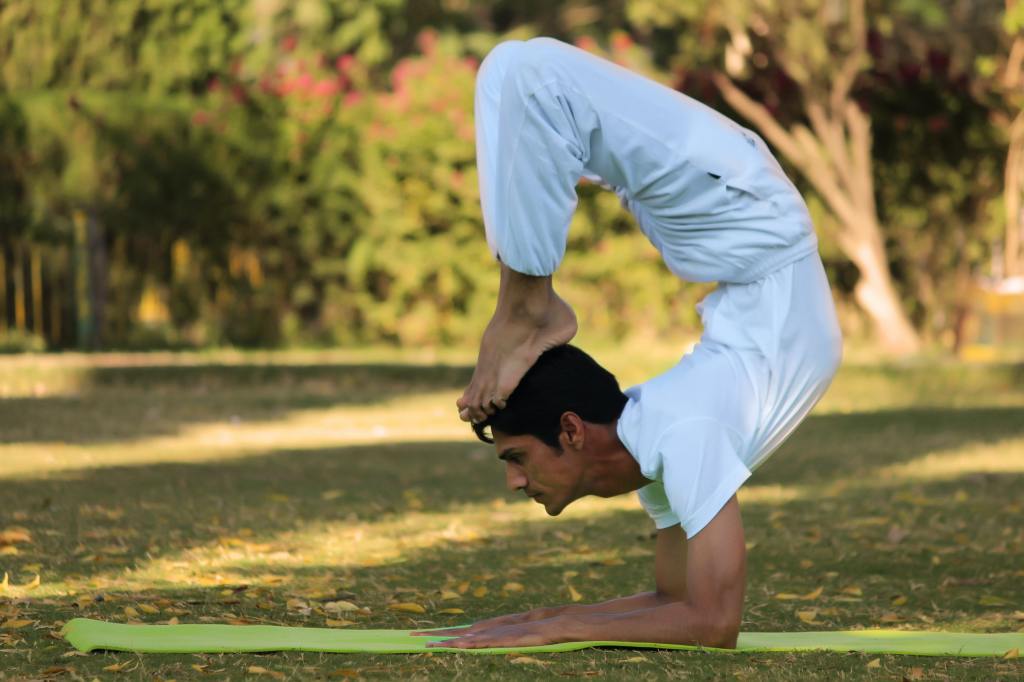
Asana is one of the eight limbs of classical Yoga and states that poses should be steady and comfortable, firm yet relaxed. The yoga asanas gently encourage us to become more aware of our body, mind, and environment.

The 12 basic poses or asanas are much more than just stretching. They open the energy channels, chakras and psychic centers of the body while increasing flexibility of the spine, strengthening bones and stimulating the circulatory and immune systems. Along with proper breathing or pranayama, asanas also calm the mind and reduce stress. With regular practice one can increase overall physical and mental health and the aid in the prevention of diseases such as diabetes, hypertension and arthritis. In time, the poses consciously becomes a mental exercise in concentration and meditation.

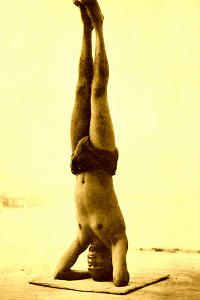
1. Headstand (Sirsasana)

Known as the ‘King of the Asanas’ for its remarkable benefits, the posture improves circulation, strengthens the respiratory system and heart, increases memory, concentration and intellectual capacity and promotes relaxation. The brain, spinal cord and sympathetic nervous system are vitalised and the senses sharpened. The pituitary and pineal glands are stimulated, revitalising the entire mind and body. The inversion relieves varicose veins and constipation, counteracts nervous disorders and anxiety, improves the quality of sleep and increases confidence.

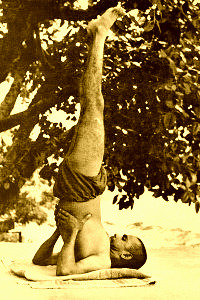
2. Shoulderstand (Sarvangasana)

Sarvangasana, meaning ‘all parts’ strengthens the entire body. The posture stimulates the thyroid gland regulating metabolism, protein synthesis, heart rate, blood pressure and calcium levels. The blood is purified and circulation improved, and the posture aids in the prevention of kidney disease, bone disease and muscle weakness. Varicose veins and constipation are relieved and mental sluggishness, depression and insomnia removed.

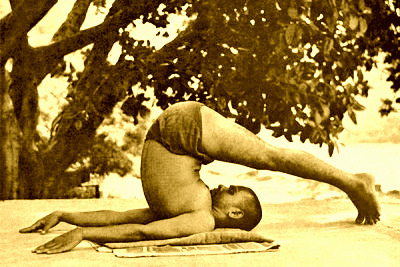
3. Plough (Halasana)

The Plough keeps the entire spine youthful by stretching the spinal muscles and opening up the spinal discs. It nourishes the spinal nerves and relieves and prevents back and neck arthritis and stiffness. The muscles of the back, shoulders and arms are strengthened and tension from the cervical region of the spine released. By massaging the internal organs, indigestion and constipation are relieved, the liver and spleen stimulated and obesity reduced.

4. Fish (Matsyasana)

The Fish strengthens and cleanses the respiratory system, increasing lung capacity, relieving asthma and bringing increased vitality to the entire system. Stiffness from the cervical, thoracic and lumbar regions of the back are removed correcting the hunched back/shoulder syndrome of modern-day living and the nerves of the neck and back are simultaneously toned. The parathyroid glands in the back of the neck which are responsible for calcium uptake are stimulated resulting in a stronger and more plastic skeletal system. Moods are regulated and emotions calmed.

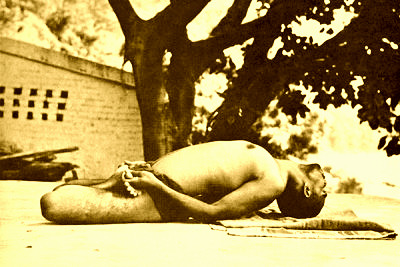
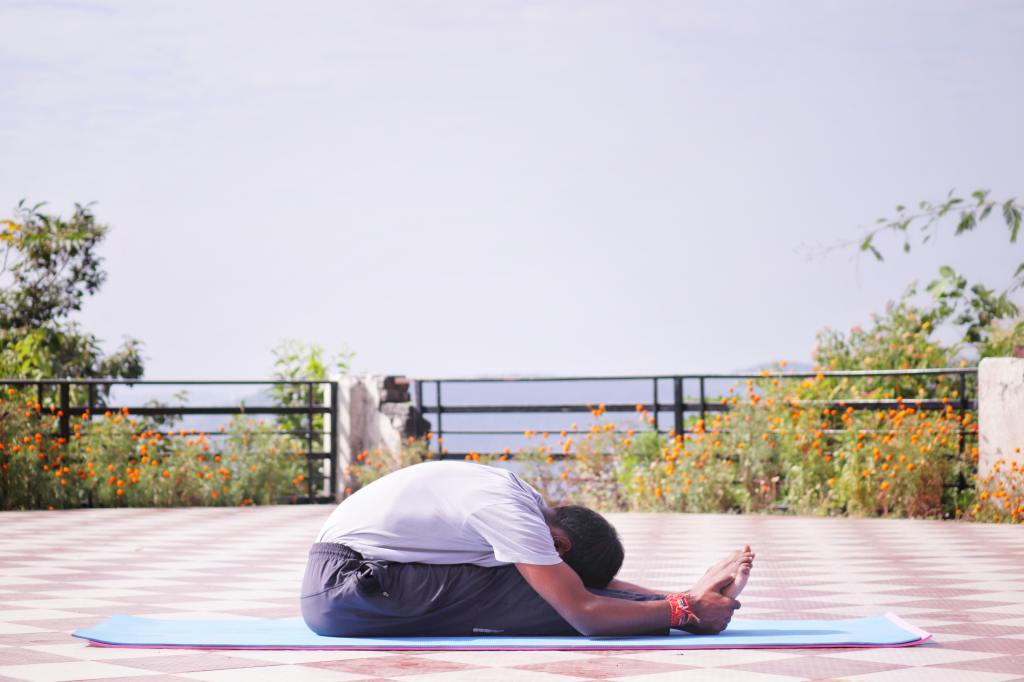
5. Sitting Forward Bend (Paschimottanasana)

The Sitting Forward Bend massages, stimulates and tones the entire digestive system, regulating peristalsis and increasing digestive power. The functions of the pancreas are regulated controlling blood sugar levels and carbohydrate metabolism. Disorders of the urogenital system are alleviated. All the muscles in the back of the body are stretched increasing flexibility in the hips. Excess weight in the waist area is reduced. The entire nervous system is invigorated and a feeling of surrender fostered.

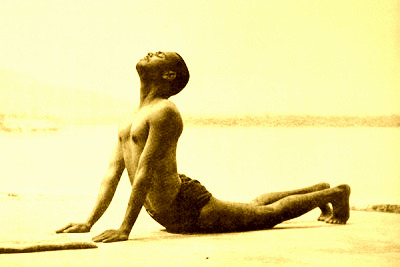
6. Cobra (Bhujangasana)

The Cobra increases flexibility of the spine correcting curvature. The deep and superficial muscles of the back are strengthened and massaged, invigorating the nerves and muscles of the spine and relieving arthritis of the lower back and general lower back pain. The ovaries and uterus are toned, helping menstrual problems. The adrenal glands and kidneys are invigorated resulting in reduction of anxiety and stress.

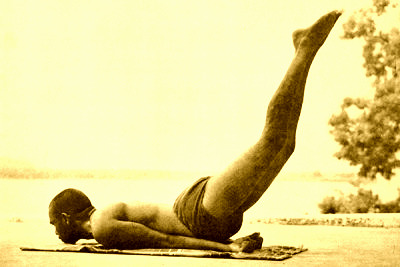
7. Locust (Salabhasana)

The Locust relieves sluggish digestion, strengthens the abdominal walls, massages the pancreas, liver and kidneys and increases blood supply to the throat area. The muscles of the upper back, legs and arms are strengthened and lower back pain and sciatica are relieved. Flexibility in the cervical region of the back is increased. The posture strengthens will-power and increases alertness.

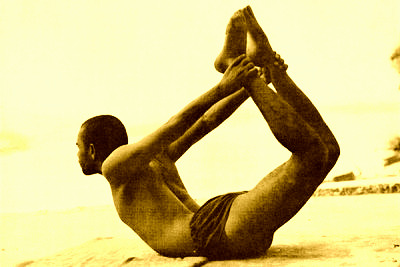
8. Bow (Dhanurasana)

The Bow develops flexibility of the entire spine, invigorates the digestive organs and relieves constipation, dyspepsia and gastro-intestinal disorders. Rheumatism of the legs, knee joints and hands is prevented. The muscles of the back are massaged and the spine is kept elastic. Blood circulation is improved, abdominal fat removed and abdominal muscles strengthened. The respiratory system is strengthened and asthma relieved. Increases confidence.

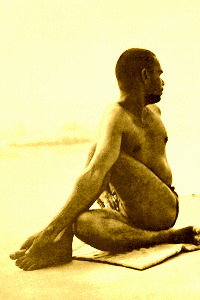
9. Half Spinal Twist (Ardha Matsyendrasana)

The Half Spinal Twist provides a lateral stretch that relieves lower back pain, lumbago and rheumatism of the back and hips. The sympathetic nervous system is It toned and stimulated, the digestive organs massaged and the liver, large intestine, gall bladder, spleen and kidneys stimulated. The deep muscles of the back are strengthened and stooping shoulders, bent back and general poor posture are corrected.

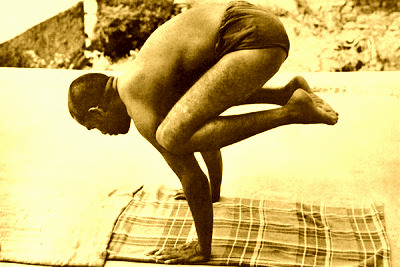
10. Crow (Kakasana)

The Crow strengthens and stretches the muscles of the arms, wrists, forearms and shoulders and increases breathing capacity. It increases the power of concentration, removes sluggishness and promotes mental and physical balance. The posture brings a feeling of lightness to body and mind.

11. Standing Forward Bend (Pada Hastasana)

The Hands to Feet Pose increases the length of the spine and spinal elasticity and tones the spinal nerves. The whole nervous system is invigorated and with the increased blood supply to the head, the brain stimulated. Abdominal fat is removed inducing a feeling of lightness. The muscles of the legs and back are stretched and strengthened and the sense of balance both physical and mental is improved.

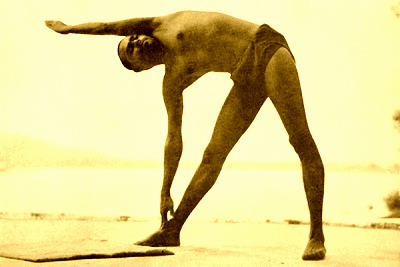
12. Triangle (Trikonasana)

The Triangle tones the spinal nerves and abdominal organs. Peristalsis of the digestive tract is increased. The pelvic area, legs and arms are strengthened, and hip flexibility promoted. Increased lateral movement to the spine is developed with each side of the body stretched and strengthened and balance improved. It is known to relieve nervous depression.

Reference – An Inspiration from Swami Sivananda and his Lineage

Concentration leads to Perfection

Concentration and Meditation leads to perfection, goes the famous spiritual adage of yore. These two are the most critical aspects one has to master for his higher spiritual journey. Let’s dwell a little deep in what exactly is concentration – as gathered from spiritual sages – who were adept in these techniques. 

What is Concentration?

Concentration means to fix the mind on one particular object either within the body or maybe outside, steadily for some time. This process of concentration leads to Meditation.

Important Requisite for Proper Concentration

  • Daily Practise if possible at a particular time preferably in the dawn.
  • Purification of Mind through Right Conduct or Right Ethics.
  • Purification of Nerves through control of breath.
  • Steady & Correct Posture.
  • Celibacy 
  • Strong attentive power developed through a breathing exercise.

It is said that withdrawing the senses from the objects leads to good concentration. The process is step by step and stage by stage – laying the foundation of Right conduct, Steady & Correct Postures, Regulation of breath and Abstraction to start with. The superstructure of concentration and meditation will be successful only.

What to concentrate on?

  • Concentrate on the ‘Tik-Tik’ sound of a watch
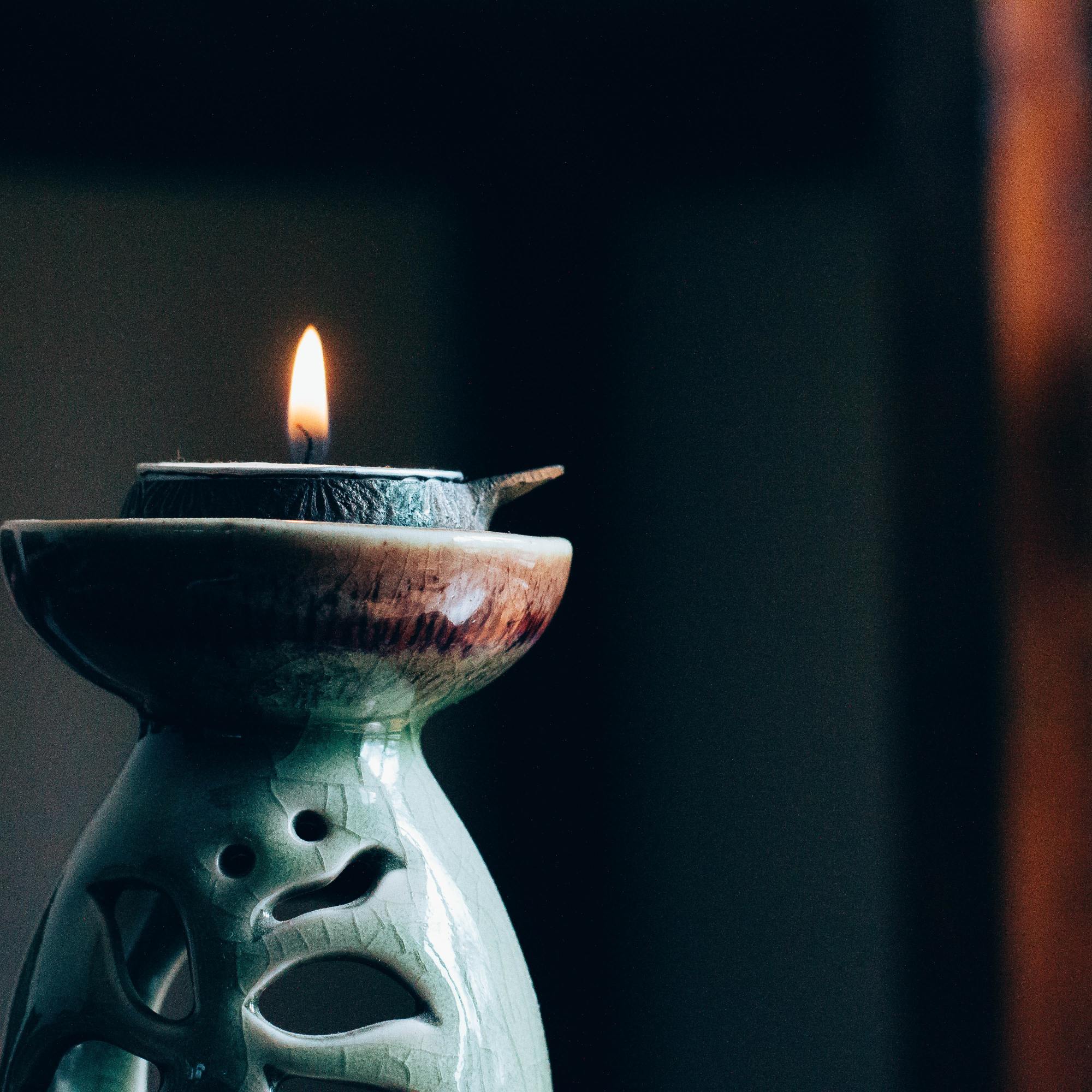
  • On the flame of a candle
  • Any other object that is pleasing to the mind – a flower, artwork, any gift, etc.

Concentrating on the above-mentioned objects is known as concrete concentration. Concentration is difficult if you have no object to focus upon. Initially the mind can only be fixed on any object which is pleasant. Focussing on objects that mind dislikes make concentration difficult.

Benefits of Concertation

  • Those who practice concentration regularly Evolves Quickly.
  • Improves Accuracy and Efficiency
  • Reduces the time taken for doing things drastically. What others do in six hours can be done by one who has a concentration within half an hour.
  • Improves grasping Power. What others can read in six hours, can be read by one who does concentration within half an hour.
  • Purifies and calms down the volatile emotions or mood swings.
  • Brings the necessary clarity in thoughts and ideas
  • Concentration helps a man in his material progress
  • Cloudy and Hazy things before become Clear and Definite after regular concentration.

You can achieve anything through concentration. Nothing is impossible to a man who practises regular concentration. It is very difficult to practise concentration when one is hungry and when one is suffering from an acute disease. He who practises concentration will possess very clear mental vision.

Common Tips on- How to Concentrate?

  • Sit in lotus-pose (Padmasana) with crossed legs. Fix the gaze on the tip of the nose. Do not make any violent effort. Gently look at the tip of the nose. This can be practised for one minute in the beginning and can be gradually increased to half an hour or more. It will help in calming and relaxing the mind. It develops the power of concentration.
  •  Sit on lotus-pose and practise fixing the mind between the two eyebrows. Increase this practice from one minute in the beginning to half an hour or more with the least amount of distraction. This removes tossing of mind and develops concentration. This is known as frontal gaze. The eyes are directed towards the frontal bone of the forehead. You can select either the nasal gaze or the frontal gaze according to your taste, temperament and capacity.
  • The power of concentration increases with the reduction in worldly activities.
  • Daily vow of silence every day for two hours or more goes a long way in developing strong concentration.
  • Practise concentration till the mind is well established on the object of concentration. When the mind runs away from the object bring it back again.
  • When concentration is deep and intense all other senses cannot operate.

He who practises concentration for three hours daily will have tremendous psychic power. He will have a strong will-power. And it is all free. So why not give it a try when the benefits are innumerable.

Happy Concentrating!!!

Reference – An Inspiration from Swami Sivananda and his Lineage..

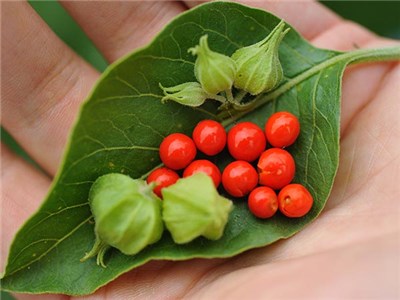
Ashwagandha – A POWER-ful Royal Herb

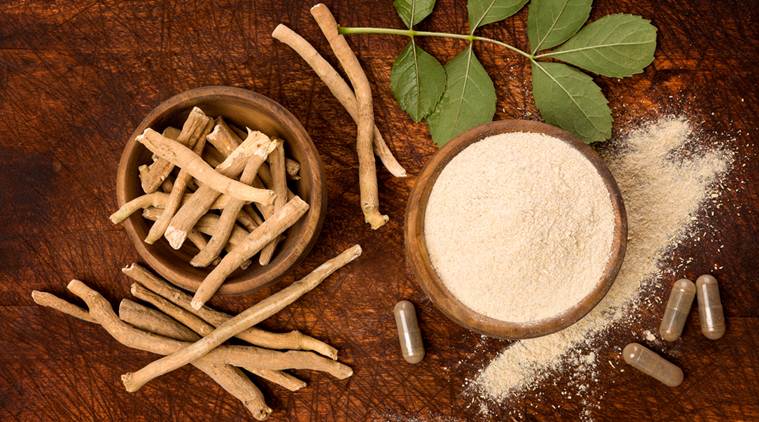
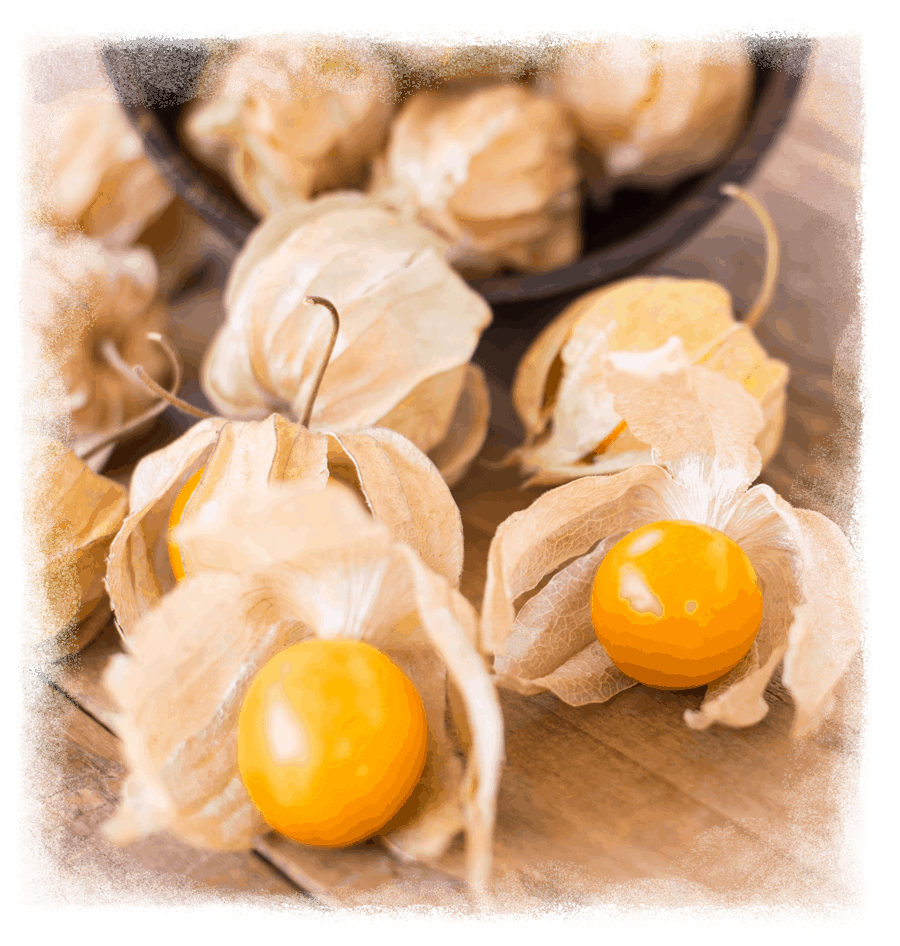
Ashwagandha–amongst the most revered plant in Indian Ayurveda – happens to be one of the most POWER-full Herb to many, a Royal Rejuvenator to some, an Adaptogen – Stress Reliever- for others or an Indian Ginseng and Winter Cherry to the remaining. The list of its multipurpose continues….Endlessly.

Ashwagandha, an all-time evergreen herb is predominantly grown in Indian Subcontinent, Africa and in few part of Middle East too that measures between 3-5 foot.

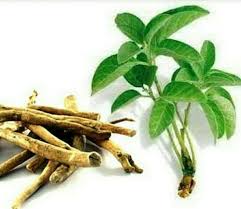
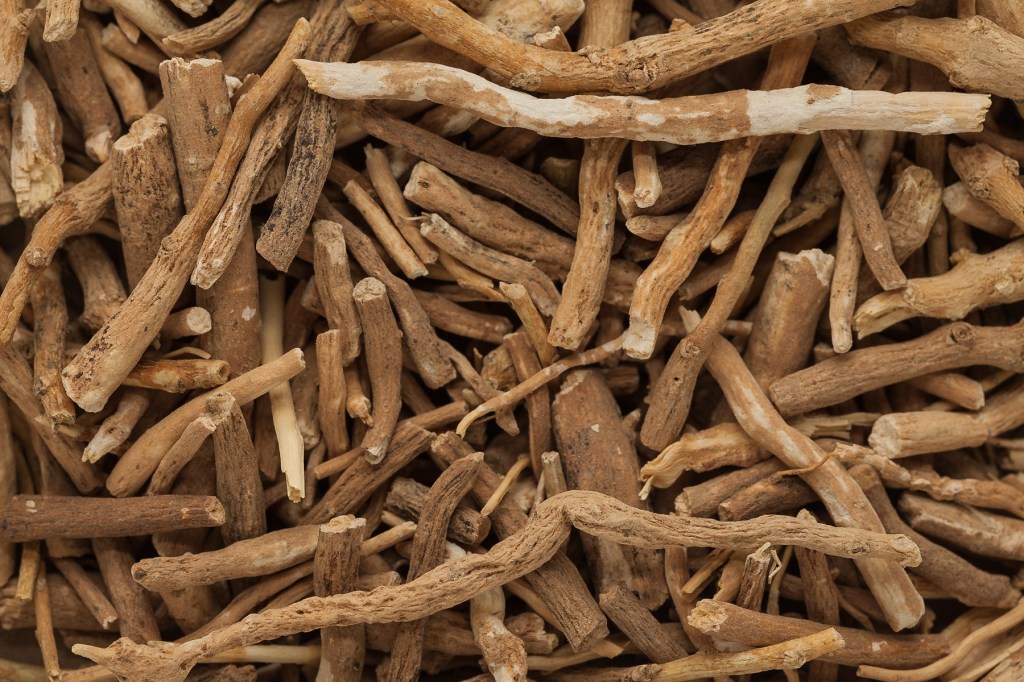
Ashwa in Sanskrit means horse while Gandha means the smell. So the name of Ashwagandha could have possibly been derived due to horse like smell emanating from its roots. Secondly and distantly, is also indicates that it can make you as powerful as a Horse. 

In the current pandemic crisis of COVID 19, a lot many alternative medicinal experts are recommending Ashwagandha owing to its strong immunity boosting properties. A lot many scientific research is going on across the globe to prove its efficacy as a strong immunity booster amongst many other. We list down a few well known healing properties that are known since centuries to Ayurveda.

                 Health Benefits of Ashwagandha                           

Several Research reveals that Ashwagandha possesses Anti-inflammatory, Anti-tumor, Anti-stress, Anti-oxidant, Immunomodulatory and rejuvenating properties. Ashwagandha also appears to benefit the endocrine, cardiopulmonary, and central nervous systems. Let’s see the benefits one by one

  • Helpful in Insomnia

One of the most common complaint during sleep time is Insomnia that occurs due to problems arising while asleep or in maintaining it. Indian Ayurveda system recommends to use to the root or whole plant extract of Ashwagandha or in English Withania somnifera to induce sleep or in sleeping disorder. It is a natural remedy provided by our Divine Mother Earth. On the other hand a majority of currently available drugs for insomnia are quite addictive in nature and does have side effects too. Hence the use of this herbal remedy could be an alternative choice of treatment for insomnia.

  • Helpful in improving Memory & Cognitive functions

As we grow older and older our cognitive properties declines. Ashwagandha is been used since ages in Ayurvedic system of medicine to enhance memory and improve cognition functions. A number of research has been done on it and in several case the results are very encouraging. Ashwagandha may be effective in enhancing both immediate and general memory in people with MCI (Mild Cognitive Impairment) as well as improving executive function, attention, and information processing speed.

  • Helpful in Boosting Immunity

In a layman’s term, Immunity may be said to be an ability that helps in resisting diseases and infections in the body. It depends from person to person. The case in point is current COVID 19 Pandemic crisis where the infections is far more sever in children and older age people whose immunity is said to lower than a young adult. However, there are certain methods in which immunity can be boosted naturally. By talking Ashwagandha regularly in small doses has been found to be an effective way of boosting immunity. This herb is also known to increase WBC (White Blood Cells), RBC (Red Blood Cells) and Platelet count in the body.

  • Helpful in Boosting Thyroid Function

Thyroid is one of the major problem affecting the normal life of the people. It is widely learnt that Ashwagandha may be able to benefit people with low thyroid function since animal studies show that it has a thyroid hormone balancing effect. Withania Somnifera or Ashwagandha root extract if given on a daily basis, can increase the secretion of thyroid hormones.

  • Helpful in Reducing Stress & Anxiety

Stress and Anxiety is one of the most common problems of this so called competitive world. Everyone wants to be ahead of his peers taking a toll on his stress level unknowingly.  However, this Royal herb, Ashwagandha has been proven scientifically in reducing the stress and anxiety. Ashwagandha helps to reduce the Cortisol which is also known as stress hormone and is released by the Adrenal glands in response to stress. So if you want to stay ahead of the curve – take recourse in this POWER-full herb daily.

  • Anti-Cancer properties

In fact many studies have been done across the globe to see the anti-cancer properties of this Royal herb. In a few of these studies, it has been have found that Ashwagandha does have an ability to stop or curtail the growth of cells in certain types of Cancers. In fact, research done on animals indicates the ability of Ashwagandha to decrease Lung tumors. There are encouraging findings that suggest the herb has potential to slow human cancers including breast, lung, kidney, and prostate.

  • Helpful in Controlling Diabetes

This Royal Herd widely used in India since ages are widely believed to be helpful in controlling the Diabetes. Ashwagandha stimulates pancreas to secrete insulin which helps to lower the blood sugar levels and therefore enables to control the diabetes.

  • Helpful in Boosting Male Fertility

Ashwagandha is helpful in increasing the Testosterone levels among Men. Ashwagandha is been widely used since ages by the alternative medicinal experts in increasing the sperm count and quality thereby increasing the fertility in Men. Several studies have been conducted to prove this benefit of this Powerful herb.

Apart from the above benefits, Ashwagandha is also widely used in controlling Cholesterol levels, muscle building, preventing of seizures, pain reliever besides being helpful in curing Alzheimer and Parkinson amongst others. 

How to consume Ashwagandha

  • Ashwagandha can be easily consumed in powder or tablet form anytime in a day before or after the meals.
  • In small quantities there are hardly any side effects of this POWERful Royal Herb.
  • Traditionally, it – in powder or tablet form – is taken with milk and honey before going to bed.
  • Ashwagandha taken with raw sugar provides a cooling effects in summer seasons
  • Can be taken with Ghee and raw sugar for joint pains for females
  • Only One or two tablets in a day is advisable by experts or 1 Tea spoon in powder form.

References –

General Information from Publications & Internet.

http://ayushportal.nic.in/

https://www.science.gov/topicpages/a/ashwagandha+withania+somnifera.html

Yoga – Strengthen Body-Mind-Soul

Yoga is a complete science of self-discipline. Yoga balances, harmonises, purifies and strengthens the body, mind and soul of the practitioner. It shows the way to perfect health, perfect mind control and perfect peace with one’s self, the world, nature and God. Millions of people have begun to practice yoga through the application of simple time-tested techniques.

Yogis say that we were not born merely to be subject to pain, suffering, disease and death. There is a far greater purpose in life. But the spiritual investigation of life’s purpose requires a keen and strong will, the products of a healthy body and mind. For this reason, the ancient sages developed an integral system to ward off or retard the decaying catabolic process, and to keep the physical and mental faculties strong. By closely observing the life-style of the modern men and women of this planet I have synthesised the ancient wisdom of yoga into five basic principles, which can be easily incorporated into everyone’s own pattern of life. These principles are: 1) Proper exercise or Asana 2) Proper Breathing or Pranayama 3) Proper relaxation or Savasana4) Proper diet or Vegetarian and 5) Positive Thinking & Meditation or Vedanta &Dhyana.

Five Key Principles of Yoga

1. Proper Exercise (Asana)

Yoga regards the body as a vehicle for the soul on its evolutionary journey. Accordingly, yogic physical exercises or asana, meaning steady pose in Sanskrit, are designed to develop not only the body but also the mind and spirit. Performed slowly and consciously, each asana is a physical exercise resulting in increased flexibility and strength, as well as an exercise in concentration and meditation.

Yogis understand that the body is as young as it is flexible and yoga asanas stretch the entire body, toning the muscles, joints, spine and skeletal system. The postures stimulate the internal organs and glands and invigorate and energise all bodily systems, including the nervous, circulatory and immune systems, resulting in radiant physical health.

On the mental level there is an increase in concentration, emotional balance, vitality, contentment, calmness and a sense of being grounded. And on a deeper level still the asanas expand our consciousness and awareness of our connection to the universe.

The benefits of practicing asanas on all aspects of our physical health and mental and spiritual well-being are now universally acknowledged as far-reaching and wide-ranging.

2. Proper Breathing (Pranayama)

Breath is life. Yoga teaches us how to use the lungs to their maximum capacity and how to control the breath to increase vitality and enhance mental clarity. Pranayama (control of the life force-known as prana in yoga) is the practice of specific breathing techniques that increase oxygen intake and encourage the absorption of prana into the body’s subtle energy channels (nadis) and energy centres (chakras). By controlling the prana through the breath the mind is rendered calm and clear and we experience increased energy, well-being and peace of mind.  Pranayama connects the body with its ‘battery’ the solar plexus. Tremendous potential energy is stored here. When tapped through the practice of pranayama this energy is released for physical and mental rejuvenation. Pranayama is one of the most important practices in yoga. Through the practice the yogi is able to control the nervous system and obtains gradual control over the mind. Yogis have known for thousands of years that if we control our breathing patterns we can control our mind.

3. Proper Relaxation (Savasana)

When the mind and body are continually overworked their efficiency diminishes. Relaxation is nature’s way of recharging. Yoga emphasises the importance of proper relaxation as a way to regulate our energy and create a sense of balance to enhance our physical and mental health. Three methods of relaxation are used by yogis—physical, mental and spiritual. For physical relaxation we lie in savasana (corpse pose) and use autosuggestion to send a message to each part of the body in turn to relax. To relax the mind we use the practices of pranayama, the concentration of the mind and positive thinking. A distracted mind is always anxious. In spiritual relaxation we withdraw inwardly in the practice of meditation, detaching from our emotions and thoughts. We practice living in the present, welcoming life’s demands with strength and courage. Ultimately we are able to free ourselves from our identification with body and mind to identify with the Self or pure consciousness.

4. Proper Diet (Vegetarian)

A yogi eats with awareness, choosing food that has the most positive effect on the body and mind and the least negative impact on the environment and other beings. Yogis eat to supply the body with vital energy and keep the mind peaceful and calm and advocate a vegetarian diet as the best way to sustain mental and physical health. A simple and natural diet based on seasonal, local and organic fruits, vegetables, grains, nuts, seeds, legumes and dairy optimises physical and mental health and fosters harmony with the world around us. Yogis know that food has a subtle effect on the mind. Full of prana a pure, moderated diet is the best possible guarantee of physical and mental health, bringing harmony and vitality to body and mind. Yogis approach food from the standpoint of its energy. Yoga tells us that there are three energies or qualities of which nature is composed. The foods with the energy of tamas are ones that have a deleterious effect on the mind and body, engendering anger, depression and negativity as well as physical illness. Foods such as meat, alcohol, fish, tobacco, onions and garlic, stale, over-processed (junk foods) fall into this category. Foods that are spicy, bitter, sour, dry or salty destroy the mind-body equilibrium are considered rajasic, stimulating the senses and making the mind restless and difficult to control. Coffee, tea, eggs, salt and chocolate are considered to fall in this category.  Foods such as cereals, fresh fruit and vegetables, pure oils, dairy, legumes, nuts, seeds and herbs are considered to have the purest energy (sattva) and will generate a healthy body and a clear, peaceful mind. 

5. Positive Thinking & Meditation (Vedanta &Dhyana)

Our thoughts define who we are. Yoga teaches us that every thought we have has an impact on us personally as well as the world around us. An optimistic outlook and the ability to focus create uplifting vibrations and healthy, peaceful and joyful life. Yoga teaches us to strive to maintain a positive and serene mind by following the teachings of Vedantic philosophy, a philosophy that teaches the unity of all creation or oneness of consciousness, and the practice of meditation—keys to achieving peace of mind and elimination of negativity in our lives.   The lives we live and the type of experiences we have are the direct results of the way we think. Once we master the art of positive thinking, we are happy, harmonious and peaceful, and our ability to comprehend higher truths as well as to maintain a powerful meditation practice will follow.

Reference – An Inspiration from Swami Sivananda and his Lineage..

Turmeric – A Golden Herb/Spice

Turmeric or Curcumin in English or Haldi/Haridra in Hindi is widely recognized as the Golden Herb or spice since yore.

And why not, this Golden herb is widely used as Herbal medicine, a most common ingredient in the family of Spices used in culinary, assumes a special significance in spiritual rituals, and last but not the least, widely used in several beauty products owing to its inherent property in providing an enduring glow to the skin.

Curcumin is the active ingredient in Turmeric which is a potent antioxidant, antiseptic, antispasmodic, anti-bacterial, anti-inflammatory, anti-tumor, anti-allergic, anti-cancer, appetizer, astringent, cardiovascular, carminative, alterative analgesic agent.

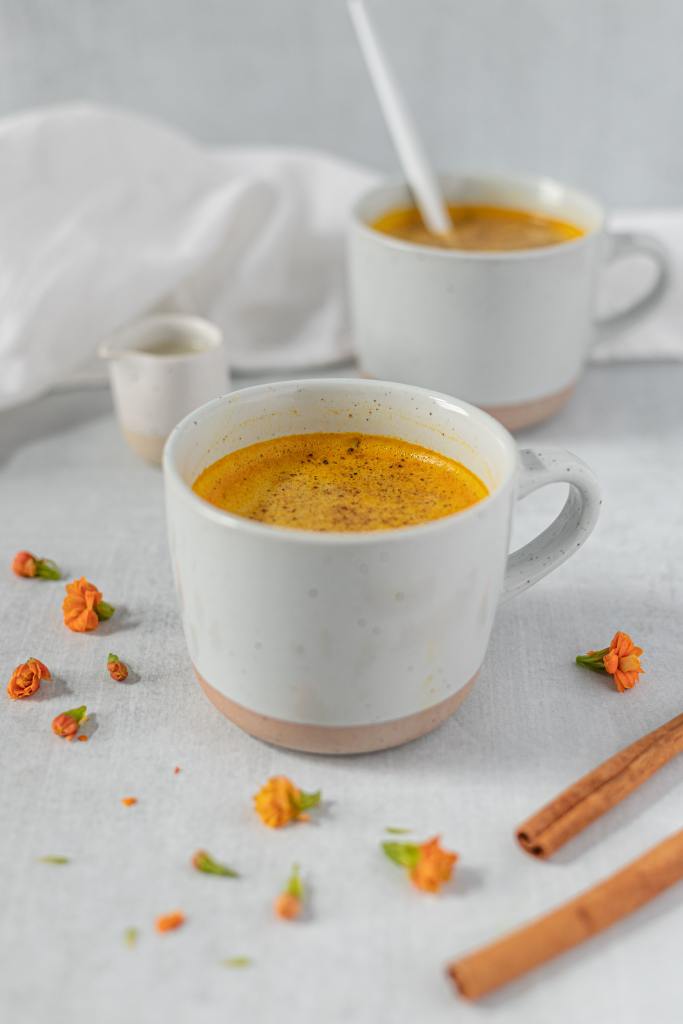
In fact, a lot many experts in Alternative Medicines have been recommending this Golden herb to be taken in small quantities regularly with milk (Golden Milk) to ward off the infection of COVID 19 owing to its immunity-boosting and rejuvenating properties. Boiled water and a small dose (1/2 teaspoon) of turmeric, coupled with Ginger & Black Pepper make a potent Herbal Tea to boost your immunity. 

No wonder, due to these very therapeutic healing properties, it is found in every Indian household since ages and globally too of late. Turmeric is very low in Cholesterol and Sodium. It is also a good source of Vitamin C and Magnesium, and a very good source of Dietary Fiber, Vitamin B6, Iron, Potassium and Manganese.

Types of Turmeric : Powered & Raw or White Haldi/AmbaHaldi

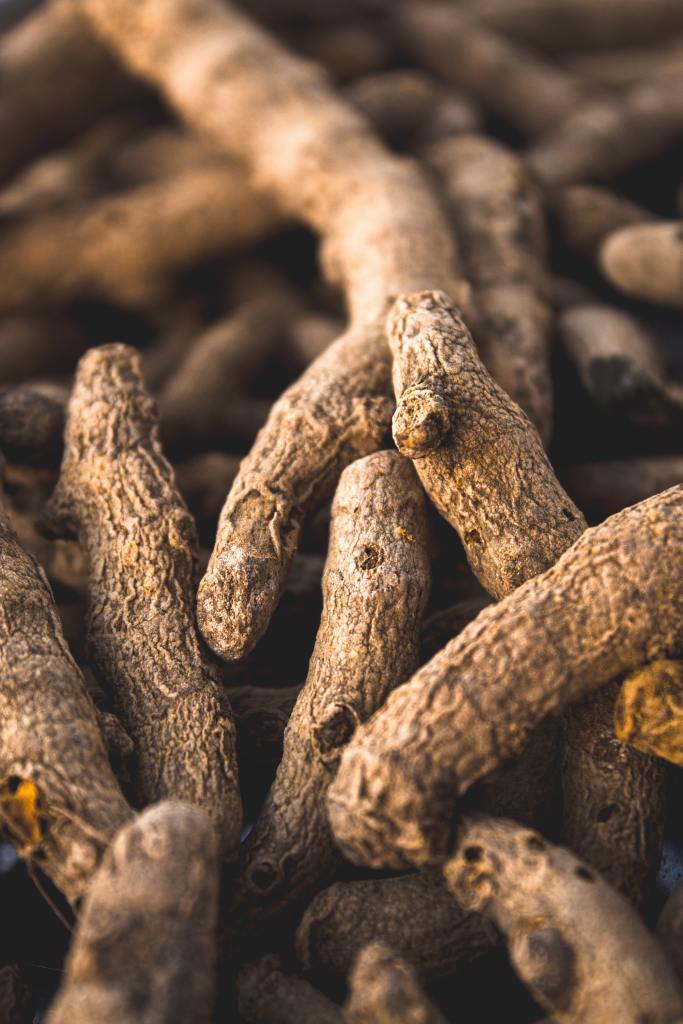
Turmeric powder is made from dry Turmeric Rhizomes. The Turmeric powder is a bright yellow spice. Raw Haldi in simple words are underground thick stems of Turmeric plants. It usually has brown skin with bright orange and hard interior. It is also known as Ambahaldito many in India and resembles ginger.

Benefits of Haldi

  1. Helpful in Bacterial Infection & Powerful Anti-Septic

Turmeric is useful in preventing bacterial infection in wounds and is a good anti-septic. Curcumin, the therapeutic component of turmeric is anti-inflammatory, anti-bacterial and anti-viral in nature that helps in healing of wounds.

  • Helps in Digestive Disorders

Turmeric is considered to be very helpful in digestion and is a carminative. It can be added into foods to improve digestion, reduce gas and bloating. It is a cholagogue, stimulating bile production in the liver and encouraging excretion of bile via the gallbladder. This improves the body’s ability to digest fats. For chronic digestive weakness and/or congestion turmeric is recommended.

  • Atherosclerosis or Helpful in preventing blockages

Turmeric may help in preventing the blockage of arteries that can gradually cause a heart attack or stroke. Turmeric makes cholesterol levels low and inhibited the oxidation of bad cholesterol. Turmeric may also prevent platelet build up along the walls of an injured blood vessel. Platelets collecting at the site of a damaged blood vessel cause blood clots to form and blockage of the artery as well.

  • Helps in Liver Diseases

Turmeric is beneficial for its influence on the liver. In spring more consumption of this herb can strengthen the liver. Turmeric shares similar liver protectant compounds and therefore is said to be highly useful in treating liver ailments such as hepatitis, cirrhosis, and jaundice.

  • Osteoarthritis or Helpful in Joint Pain

Turmeric may help relieve the symptoms of osteoarthritis because of its ability to reduce pain and disability.

  • Helpful in Menstrual problems of Woman

For women who experience monthly menstrual cramps, try using turmeric extracts twice daily for two weeks prior to expected menstruation. Turmeric being antispasmodic helps to smooth muscles that reduce digestive and menstrual cramping. It should reduce the severity of pain, if not ease them completely. Certainly, diet and standard of living have a reflective influence on the menstrual cycle, but turmeric is a great addition.

  • Helps in Skin Disease

A fresh Juice from rhizome/Raw Haldi or a paste prepared from turmeric or decoction is often used as a local application as well as internally in the treatment of leprosy skin disease. In the case of smallpox and chickenpox, turmeric is applied as a powder.

How to Use Turmeric

Turmeric Use in Cooking: Most of the traditional Indian meals – be in Veg or Non-Veg surely uses turmeric powder as a vital spice to enrich the taste of the food leaves alone its therapeutic properties. It is widely used as a food colouring material. A small dose of its turmeric powder would add a golden hue to a salad. This Golden spice is widely used in all recipes that use rice, lentils and dry beans and is an essential ingredient in various Indian food preparations for taste and colouring.

Turmeric Use in Anemia: Take a dose of 1 Tea Spoon of Turmeric juice mixed with honey every day.


Turmeric Use in Asthma: Boil 1 Glass of Cow Milk with 1 Tea Spoon of Turmeric powder. Advisable to drink it warm only.

Turmeric Use in Burns: Mix 1 Tea Spoon of Turmeric with 1 Tea Spoon of Aloe Gel and apply to burnt area. The Wound will get healed very quickly in a span of a few days.

Turmeric Use in Conjunctivitis: Mix 1 Tea Spoon of crushed, raw turmeric in 1/3 cup of water. Boil and sieve it. 2–3 drops of this mixture may be used in each eye up to 3 times per day.

Turmeric Use in Complexion: Apply a paste of Turmeric on the skin before bed, and wash off after a few minutes. In the morning, remove any remaining yellow tinge with a paste of chickpea flour (Besan) and oil.

Turmeric Use in Dental problems: Mix 1 Tea Spoon of Turmeric with ½ Tea Spoon of salt. Add mustard oil to make a paste. Rub the teeth and gums with this paste twice daily.

Turmeric Use in Diabetes: Take Half Tea Spoon of Organic Turmeric powder in hot water. This should be taken 3 times a day.

Turmeric use in Diarrhea: Take ½ Tea Spoon of Turmeric powder or juice in water, 3 times per day.

Turmeric Use in Pain: Mix 1 Tea Spoon of Turmeric and 2 Tea Spoon of Ginger with water to make a paste. Spread over a cloth, place on the affected area and bandage. Add 1 Tea Spoon of turmeric to 1 cup of warm milk and drink before bed.

Other Uses of Turmeric: In some places, Turmeric is burnt to ward off the insets. The smoke of burnt Turmeric inhaled can assist in coughs, asthma and congested nasal passages.

A Turmeric/water decoction, 1:20, is used to treat conjunctivitis and eye disease in general. Soak a cloth in the decoction and then cover the eye with it. This helps to relieve the pain as well.

How to handle Turmeric Powder

  • Turmeric Powder should be stored in a cool, dry place protected from light.
  • Too much heat will volatilize and dissipate its aromatic essential oil
  • High humidity will cause it to cake.
  • Sunlight will cause it to fade.
  • Older stock is used first.
  • Tightly close containers after each use.
  • Open to air for a long time will cause flavor and aroma loss.

Reference:

General Information from Publications & Internet

Ayurveda & COVID 19

Prevention is better than cure

In the wake of the Covid 19 outbreak, entire mankind across the globe is suffering.

Enhancing the body’s natural defense system (immunity) plays an important role in maintaining optimum health. We all know that prevention is better than cure.

While there is no medicine for COVID-19 as of now, it will be good to take preventive measures which boost our immunity in these times.

Ayurveda, being the science of life, propagates the gifts of nature in maintaining a healthy and happy living.

Ayurveda’s extensive knowledge base on preventive care, derives from the concepts of “Dinacharya” – daily regimes and “Ritucharya” – seasonal regimes to maintain a healthy life. It is a plant-based science. The simplicity of awareness about oneself and the harmony each individual can achieve by uplifting and maintaining his or her immunity is emphasized across Ayurveda’s classical scriptures.

Self-care guidelines for preventive health measures and boosting immunity with special reference to respiratory health Are of utmost importance. Moreover, these are supported by Ayurvedic literature and scientific publications.

General Suggestion

  1. Drink warm water throughout the day
  2. Daily Practice Yogasana, Pranayama and Meditation for 30 minutes
  3. Spices like Haldi (Turmeric), Jeera (Cumin), Dhaniya (Coriander) and Lahsun (Garlic) are recommended in cooking. 

Ayurvedic Immunity Promoting Measures

  1. Take Chyavanprash 10gm (1tsf) in the morning. Diabetics should take sugar-free Chyavanprash.
  2. Drink decoction (Kadha) made from Tulsi (Basil), Dalchini (Cinnamon), Kalimirch (Black pepper), Shunthi (Dry Ginger) and Munakka (Raisin) – once or twice a day. Add jaggery (natural sugar) and/or fresh lemon juice to your taste, if needed.
  3. Golden Milk- Half teaspoon Haldi (turmeric) powder in 150 ml hot milk – once or twice a day.

Simple Ayurvedic Procedures

  1. Nasal application – Apply sesame oil / coconut oil or Ghee in both the nostrils (PratimarshNasya) in morning and evening.
  2. 2. Oil pulling therapy- Take 1 table spoon sesame or coconut oil in mouth. Do not drink, Swish in the mouth for 2 to 3 minutes and spit it off followed by warm water rinse. This can be done once or twice a day.

During dry cough / sore throat

  1. Steam inhalation with fresh Pudina (Mint) leaves or Ajwain (Caraway seeds) can be practiced once in a day.
  2. Lavang (Clove) powder mixed with natural sugar / honey can be taken 2-3 times a day in case of cough or throat irritation.
  3. 3. These measures generally treat normal dry cough and sore throat. However, it is best to consult doctors if these symptoms persist.

Please note that the above measures No 1can be followed to the extent possible as per an individual’s convenience.

These measures are recommended by following eminent Vaidyas from across the Country like as they may possibly boost an individual’s immunity against infections and are not to be considered as a treatment of COVID 19.

1. Padma Shri Vaidya P R Krishnakumar, Coimbatore

2. Padma Bhushan Vaidya Devendra Triguna, Delhi

3. Vaidya P M Varier, Kottakkal

4. Vaidya Jayant Devpujari, Nagpur

5. Vaidya Vinay Velankar, Thane

6. Vaidya B S Prasad, Belgaum

7. Padma Shri Vaidya Gurdeep Singh, Jamnagar

8. Acharya Balkrishnaji, Haridwar

9. Vaidya M S Baghel, Jaipur

10.Vaidya R B Dwivedi, Hardoi UP

11.Vaidya K N Dwivedi, Varanasi

12.Vaidya Rakesh Sharma, Chandigarh

13.Vaidya Abichal Chattopadhyay, Kolkata

14.Vaidya TanujaNesari, Delhi

15.Vaidya Sanjeev Sharma, Jaipur

16.Vaidya Anup Thakar, Jamnagar

Reference – Ayush Ministry – Government of India