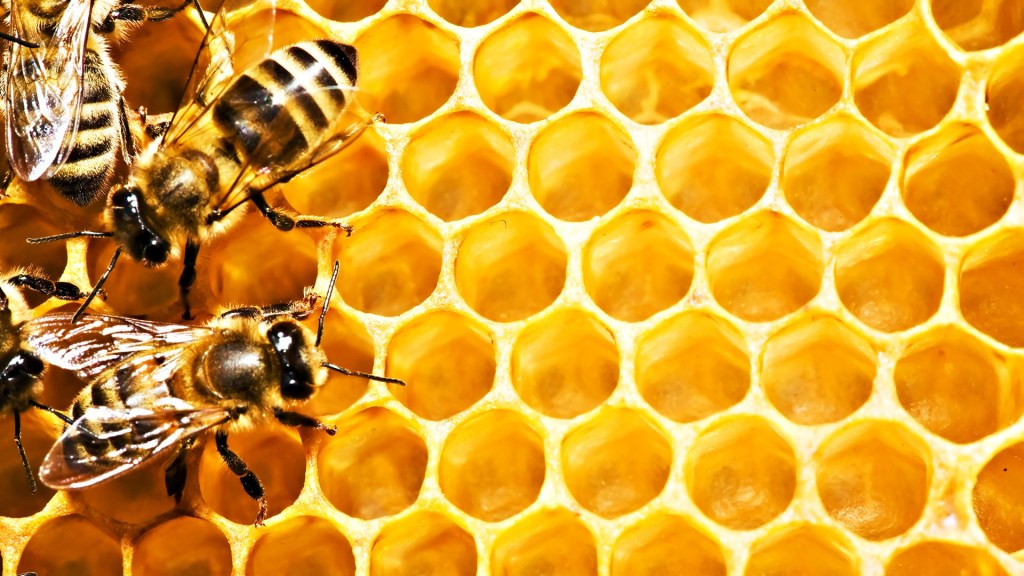
Honey is completely a natural food. A sweet, viscous fluid rich in hydroscopic, antibacterial and antioxidant properties with abundant nutrients and minerals. The only food that does not spoil. Honey depends on bees for production. Honeybees store honey in the beehives for food and nutrients. Raw honey comes directly while regular honey undergoes processing before being bottled. In most ancient cultures honey has been used for nutritional and medical purposes.
Nutrients profile of Honey
Honey is composed of natural sugars and minerals. Vitamins and other nutrient contents are mainly based on where the nectar came from. On the average, honey contains riboflavin, niacin, thiamin, vitamin B6 and pantothenic acid. It also contains some amino acids. Mineral content includes iron, copper, calcium, phosphorus, manganese, magnesium, sodium, zinc and potassium. It also contains antioxidants that helps to clear the body toxins and free radicals. Another good news is that honey is fat-free and cholesterol-free.
The percentages vary among the different varietals of honey. . On an
average, honey contains 80% natural sugars in the following forms:
Glucose: 31.3%
Fructose: 38.2%
Maltose: 7.1%
Sucrose: 1.3%
Higher sugars: 1.5%
Honey has high fructose content, in addition to the other forms of sugar. This is
why honey is sweeter than refined sugars and other sweeteners. It also does have higher calorie content.
Other components include:
Ash: 0.2%
Water: 17.2%
Other/undetermined: 3.2%
Pollen, protein, minerals and vitamins: 2%
Water content is desirably at less than 18%.
Natural benefits of Honey
Honey has long been used for its medicinal properties. Ancient civilizations had been using honey to treat various ailments and to improve health.
Its numerous nutrients and compounds, as well as enzymes have several health benefits. Some varieties can even treat various ailments.
Helps treat anemia, Prevents low WBC level, Treats allergies, Helps with alcohol metabolism, Good workout energy source, Treats common cold, Treats dandruff and scalp problem,
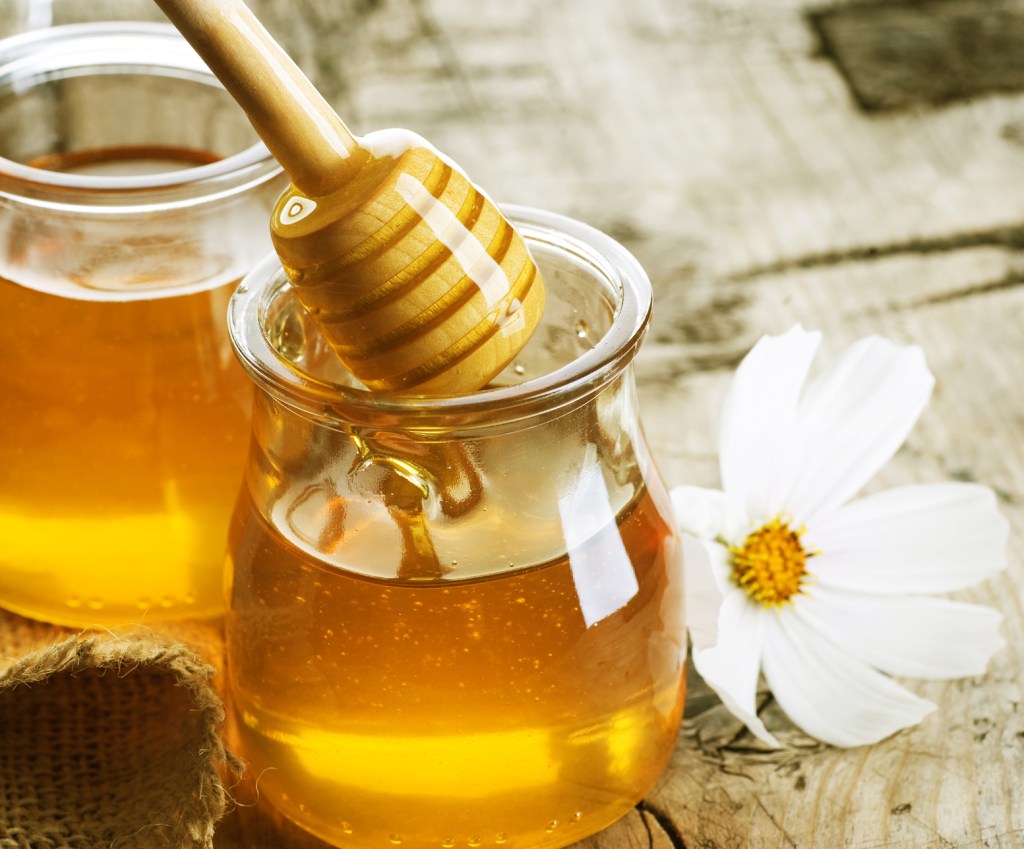
Honey for beauty benefits-
- Collagen formation
- Moisturizer
- Anti-acne
- Anti-skin aging
- Skin lightening
- Sun Protection
- Honey for the Hair
- Honey for Weight loss
- Promotes Nutrient Balance
- Promotes Better Metabolism
- Promotes Stable Blood Sugar Levels
- Promotes Better Digestive Process
- Promotes Better Fat Use and Profile
- Manuka Honey Manuka honey is, as of recent, the most beneficial of all honey varieties. It is also a unique type. Manuka honey’s popularity is because of its medical use. It is mainly used for speeding up wound healing and at the same, preventing wound infection. “Manuka honey” label is not enough to ensure MG levels high enough to achieve therapeutic benefits. Look for “Active Manuka Honey” or “UMF Manuka Honey” instead.
Other uses of Manuka honey
The following conditions can be treated by manuka honey:
Prevention of cancer, part of cancer treatment ,decrease high cholesterol levels, reduction of systemic inflammation, part of diabetic treatment ,treatment for eye, sinus , and ear infections, treatment of gastrointestinal problems, effective in healing pressure sores and chronic leg ulcers, reduces pain and inflammation. For burns, honey is directly applied to the area or on a sterile dressing. For burns, honey is directly applied to the area or on a sterile dressing.
Risk and side effects of Honey
Consume honey in small quantities as it is sweeter than the table sugar. There is no such risk or side effects if taken in moderation. Avoid honey if you are allergic to pollen, celery, and other allergies related to bee activities.
 DivineSoulCare