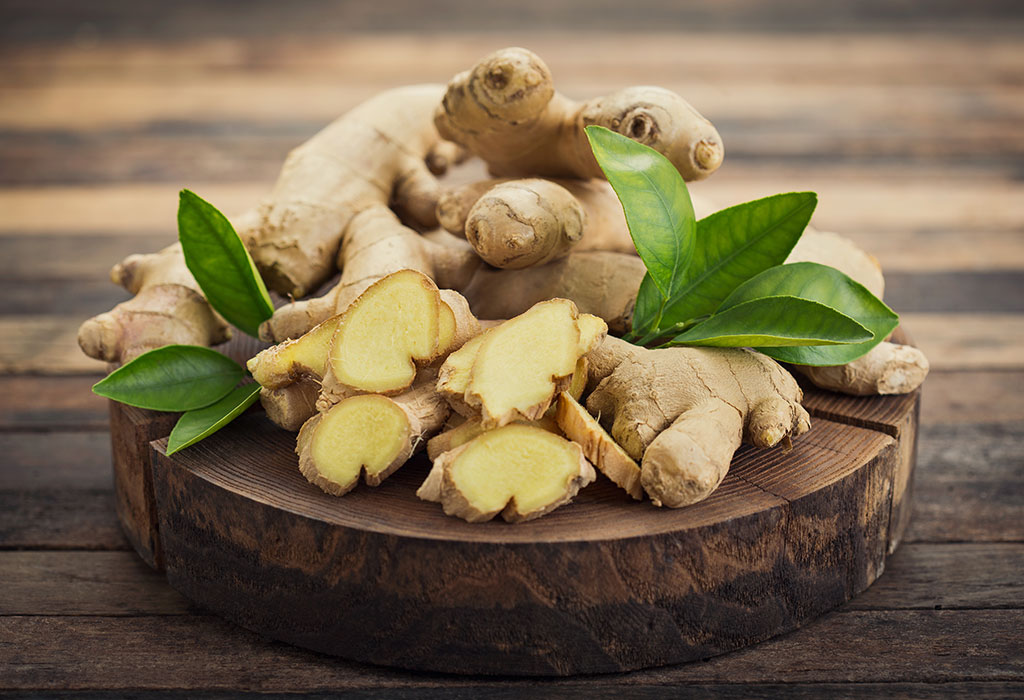
Ginger, in Ayurveda, has been referred to as “Vishwa Bhejas”, meaning, a panacea for the whole world. It suits to one and all alike. Historically, Ginger was the most traded spices from India to across the world. No surprise, for this very reason it is found in every Indian kitchen since ages and now globally too owing to its flavoring and therapeutic properties.
It is a widely accepted panacea for digestive, respiratory and circulatory disorders known to Indian and Chinese for thousands of years.
Health Wonders of Ginger
Scientifically, it has proved its efficacy in aiding digestive processes beside having anti-inflammatory, anti-carcinogenic, anti-bacterial, anti-oxidant, anti-infection, anti-spasmodic properties. Hence no wonder it is generally referred to as a Super food/Spice of modern era. Let us see of the health benefits of Ginger.


- Beneficial in Digestion Process
Ginger helps to increase the body’s ability to empty food from the stomach, which is also known as gastric emptying. An efficient digestion system promotes more energy as it found that approximately 60 percent of body’s energy is engaged in metabolism. Ginger improves digestion and with this the metabolism improves with increase in energy levels. This is possible because the quicker you can digest the food, faster will get the vitamins and minerals absorbed from the food you intake.
- Beneficial in Relieving Nausea
Research indicates ginger helps in minimizing morning sickness besides relieving nausea following the treatment of cancer. One small study from 2010 examined the effects of ginger root powder supplements on nausea in 60 children and young adults who underwent chemotherapy. The analysis showed that the supplement led to reduced nausea in most of the people who took it.
- Beneficial in Arthritis Symptoms
Ginger owing to its anti-inflammatory properties reduces the swelling in body parts if any. It is more helpful in treating symptoms of both rheumatoid arthritis and osteoarthritis. One might get relief from pain and swelling either by taking ginger by mouth or by applying raw ginger on your skin according to experts.
- Beneficial in Cough Disorders
Coughing occurs due to upward movement of the flow of breath or pranavata. Usually the prana flows along the gravity / downwards. Due to obstruction either in constipation or Lungs the normal movement of the prana is hampered. Ginger helps in removing all these blocks, due to its sharp and breaking down properties and reduces Bronchospasm by relaxing the bronchial vessels. Since the pranavata normalises in flow the coughing problem tends to cool down.
- Beneficial in Cardiovascular Disorders
There are some evidences according to research that ginger extract is helpful in cardiovascular disease. For instance, one review found that a dosage of 5 gms or more can cause significant, beneficial antiplatelet activity. Meanwhile, one small study found that ginger extract helped reduce the occurrence of heart abnormalities among rats with diabetes. Some researcher have found that this reduction may stem, in part, from the antioxidant properties of the ginger.
- Helpful in Lowering Blood Pressure
Hypertension or High blood pressure is a very common problem faced in the so called stressful modern world largely owing to wrong eating habits like fatty, oily and processed foods. In fact, if hypertension is untreated it can lead to damage to arteries, heart, brain, kidneys, and even eyes in some cases. Ginger have been shown to improve blood pressure in combination with medication by acting as a vasodilator—expanding your blood vessels. This is helpful for increasing circulation in the body, which reduces the overall blood pressure of the body. Ginger also contains potassium, a mineral that research has found can help lower blood pressure.
- Ginger has Antibacterial Properties
Many research has found that ginger is an effective antibacterial for many drug-resistant bacteria in clinical applications. In a study, the researchers stated that ginger has great potential in the treatment of many microbial diseases. Its antibacterial benefits extend to oral health as well. Ginger have been shown to slowdown the growth of pathogens that contribute to inflammation of the gums caused by gum bacteria.
- Beneficial in Reducing Menstrual Pain
Although there are many over the counter medication available for this specific pain, ginger too provides some kind of relief in such situation. A research has found that ginger is as effective as ibuprofen in reducing the pain associated with painful menstruation in women. Menstrual cramps in the abdomen and lower back are commonly associated with painful mensuration. Hence next time when you in similar situation no harm in trying ginger.
How to use Ginger

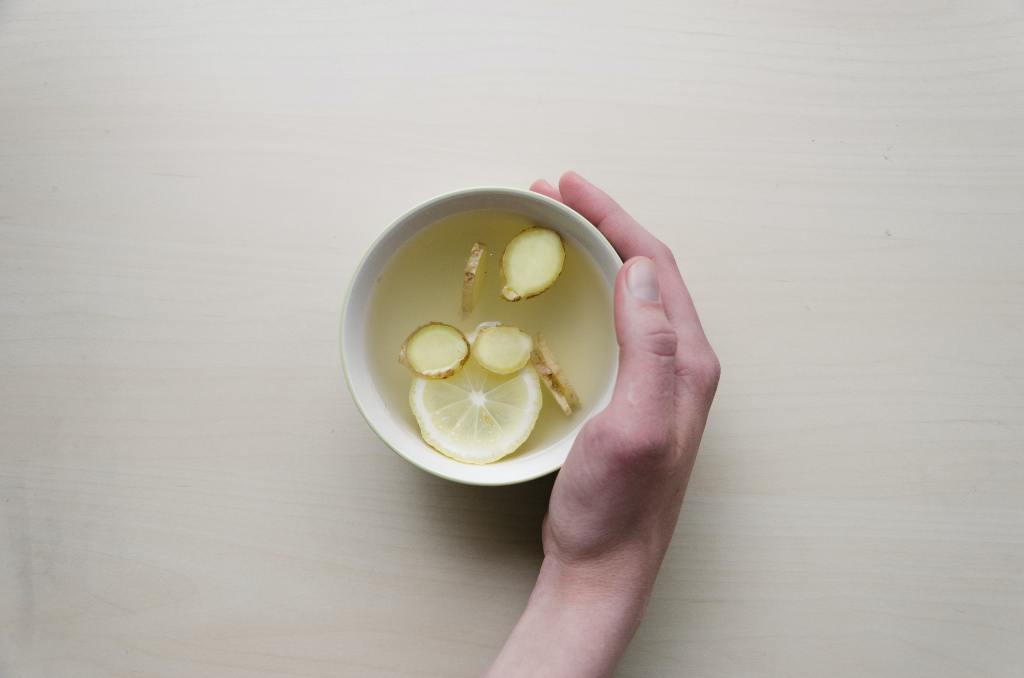

- Fresh Ginger Root: It is considered to be the most potent form of ginger and also the most healthy. It can be sliced and used in hot water which acts as an excellent rejuvenator.
- Ginger Powder : Dried ginger powder is commonly used as spices in food preparation and curries. Can be used in hot water for sore throats.
- Ginger capsules: Easiest way to get ginger into your diet if don’t like its taste The ground ginger powder is added to a capsule for easy consumption at any time of day.
- Ginger tea: You can make ginger tea using fresh ginger or ginger powder by adding it to the boiling water. These are great to have on hand if feel nauseated or want to settle your stomach after eating. Mix ginger powder with cinnamon, cardamom, clove and fennel for a great herbal tea you never had before.
- Ginger oil: Ginger oil can be taken internally or rubbed topically to treat pain. Ginger essential oil has many soothing properties and is useful to use for massages.
References
General Information from Publications & Internet
Dr. Sandeep Shah, Parmanand Yoga Health and Research
Clinical Nutritionist – Lauren Venosta
 DivineSoulCare
One thought on “Ginger : Traditional Panacea for Modern Era”