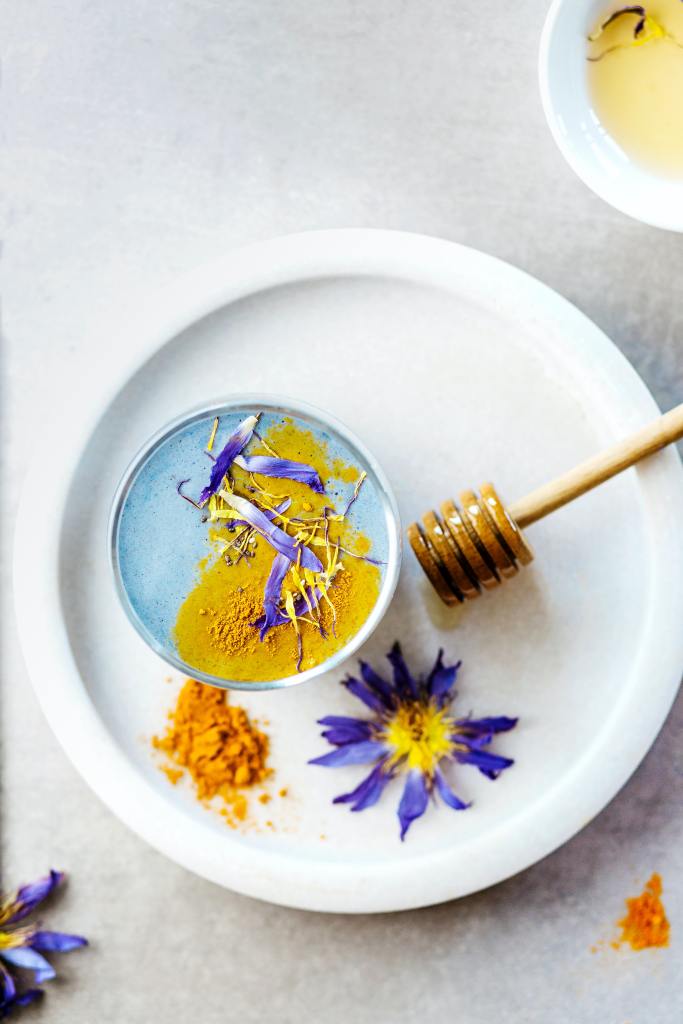
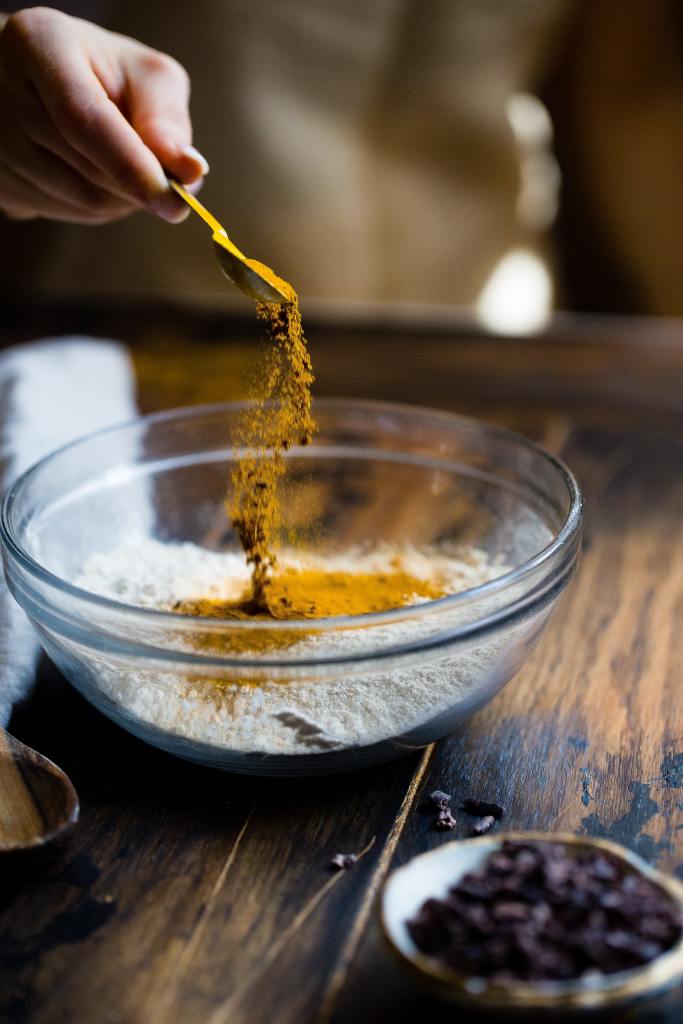
Turmeric or Curcumin in English or Haldi/Haridra in Hindi is widely recognized as the Golden Herb or spice since yore.
And why not, this Golden herb is widely used as Herbal medicine, a most common ingredient in the family of Spices used in culinary, assumes a special significance in spiritual rituals, and last but not the least, widely used in several beauty products owing to its inherent property in providing an enduring glow to the skin.
Curcumin is the active ingredient in Turmeric which is a potent antioxidant, antiseptic, antispasmodic, anti-bacterial, anti-inflammatory, anti-tumor, anti-allergic, anti-cancer, appetizer, astringent, cardiovascular, carminative, alterative analgesic agent.
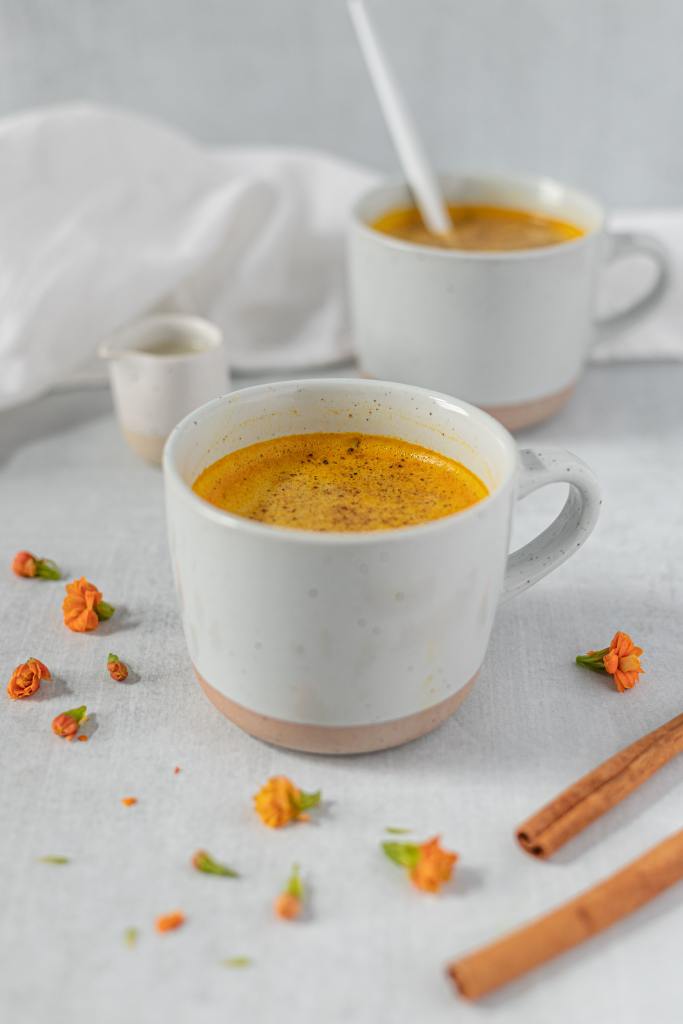
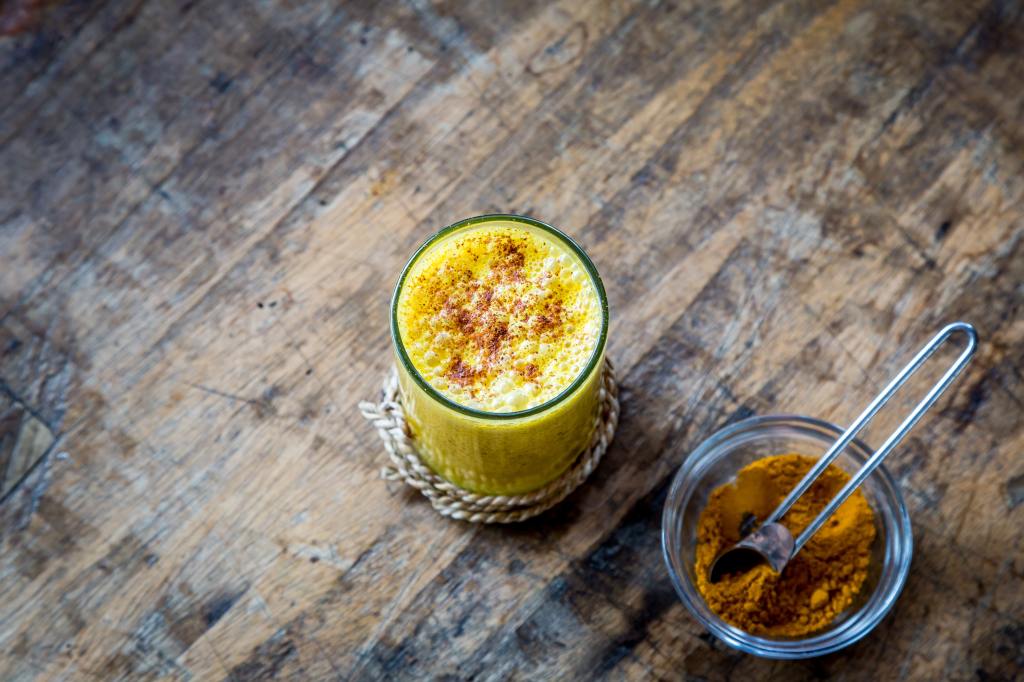
In fact, a lot many experts in Alternative Medicines have been recommending this Golden herb to be taken in small quantities regularly with milk (Golden Milk) to ward off the infection of COVID 19 owing to its immunity-boosting and rejuvenating properties. Boiled water and a small dose (1/2 teaspoon) of turmeric, coupled with Ginger & Black Pepper make a potent Herbal Tea to boost your immunity.
No wonder, due to these very therapeutic healing properties, it is found in every Indian household since ages and globally too of late. Turmeric is very low in Cholesterol and Sodium. It is also a good source of Vitamin C and Magnesium, and a very good source of Dietary Fiber, Vitamin B6, Iron, Potassium and Manganese.
Types of Turmeric : Powered & Raw or White Haldi/AmbaHaldi
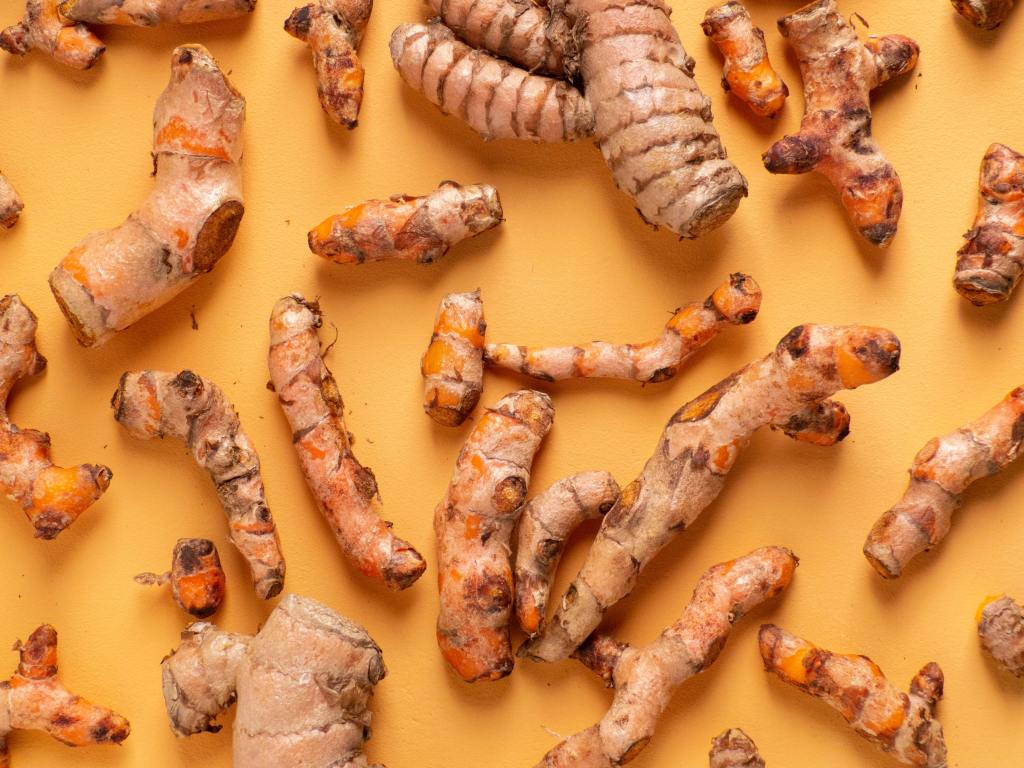
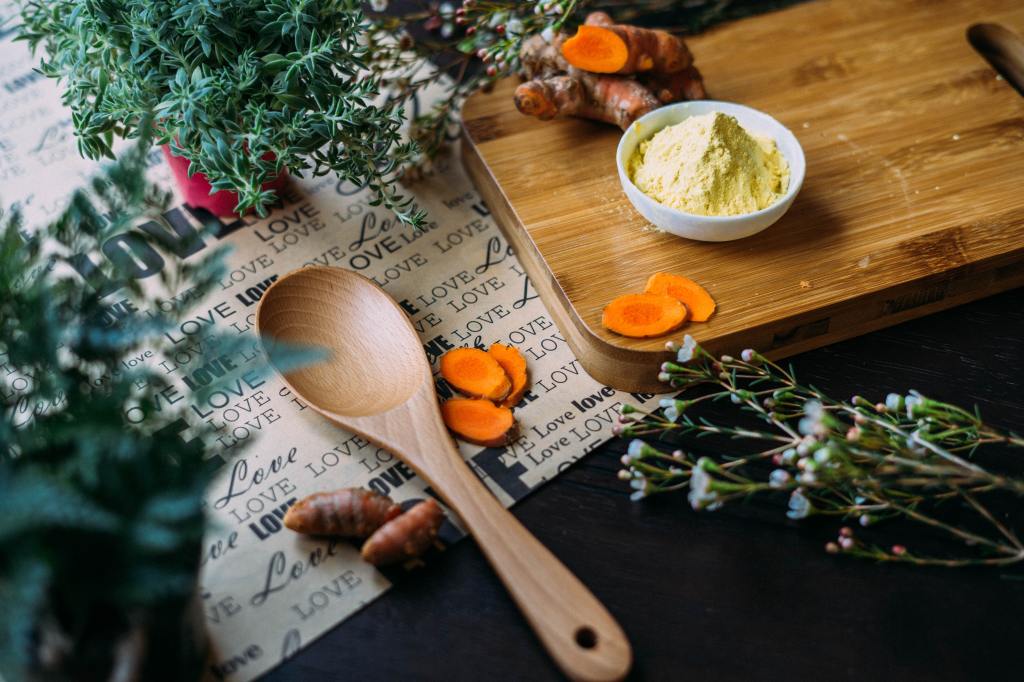
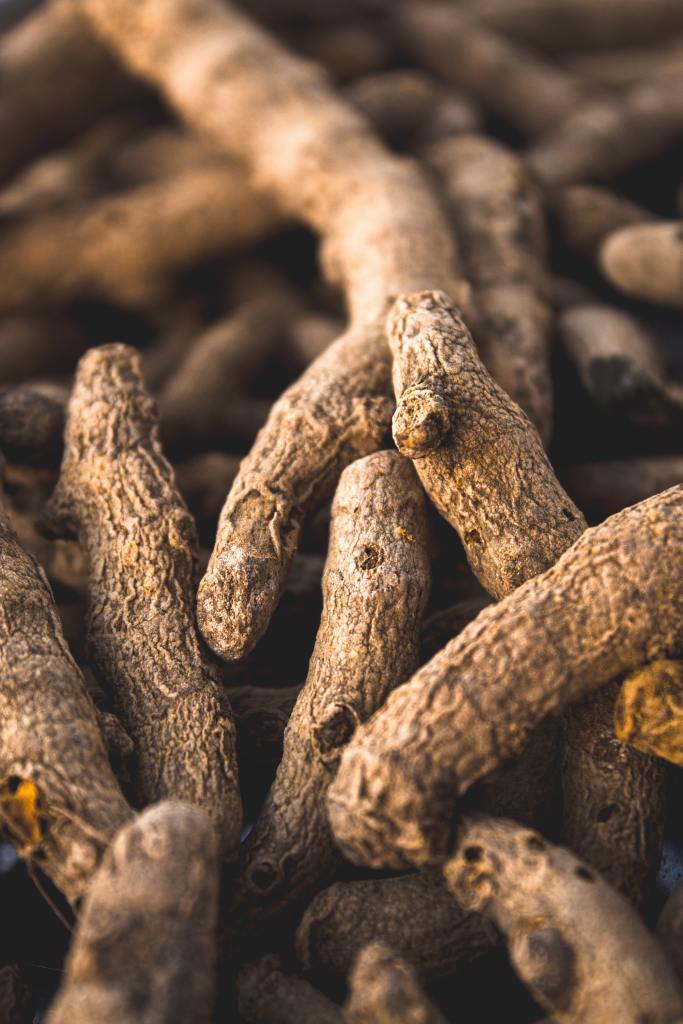
Turmeric powder is made from dry Turmeric Rhizomes. The Turmeric powder is a bright yellow spice. Raw Haldi in simple words are underground thick stems of Turmeric plants. It usually has brown skin with bright orange and hard interior. It is also known as Ambahaldito many in India and resembles ginger.
Benefits of Haldi
- Helpful in Bacterial Infection & Powerful Anti-Septic
Turmeric is useful in preventing bacterial infection in wounds and is a good anti-septic. Curcumin, the therapeutic component of turmeric is anti-inflammatory, anti-bacterial and anti-viral in nature that helps in healing of wounds.
- Helps in Digestive Disorders
Turmeric is considered to be very helpful in digestion and is a carminative. It can be added into foods to improve digestion, reduce gas and bloating. It is a cholagogue, stimulating bile production in the liver and encouraging excretion of bile via the gallbladder. This improves the body’s ability to digest fats. For chronic digestive weakness and/or congestion turmeric is recommended.
- Atherosclerosis or Helpful in preventing blockages
Turmeric may help in preventing the blockage of arteries that can gradually cause a heart attack or stroke. Turmeric makes cholesterol levels low and inhibited the oxidation of bad cholesterol. Turmeric may also prevent platelet build up along the walls of an injured blood vessel. Platelets collecting at the site of a damaged blood vessel cause blood clots to form and blockage of the artery as well.
- Helps in Liver Diseases
Turmeric is beneficial for its influence on the liver. In spring more consumption of this herb can strengthen the liver. Turmeric shares similar liver protectant compounds and therefore is said to be highly useful in treating liver ailments such as hepatitis, cirrhosis, and jaundice.
- Osteoarthritis or Helpful in Joint Pain
Turmeric may help relieve the symptoms of osteoarthritis because of its ability to reduce pain and disability.
- Helpful in Menstrual problems of Woman
For women who experience monthly menstrual cramps, try using turmeric extracts twice daily for two weeks prior to expected menstruation. Turmeric being antispasmodic helps to smooth muscles that reduce digestive and menstrual cramping. It should reduce the severity of pain, if not ease them completely. Certainly, diet and standard of living have a reflective influence on the menstrual cycle, but turmeric is a great addition.
- Helps in Skin Disease
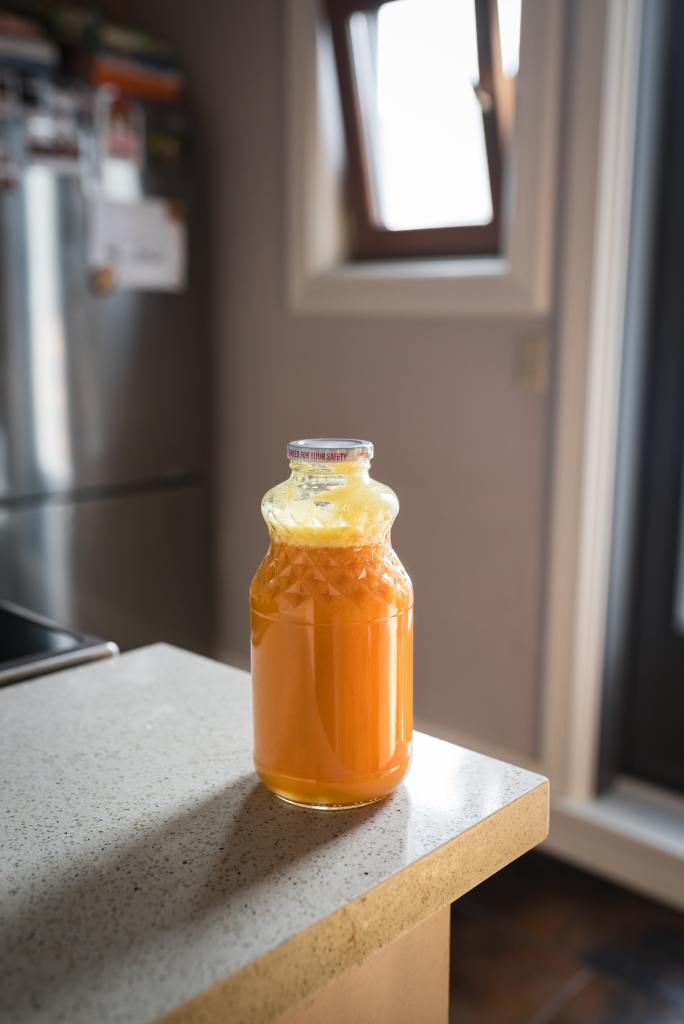
A fresh Juice from rhizome/Raw Haldi or a paste prepared from turmeric or decoction is often used as a local application as well as internally in the treatment of leprosy skin disease. In the case of smallpox and chickenpox, turmeric is applied as a powder.
How to Use Turmeric
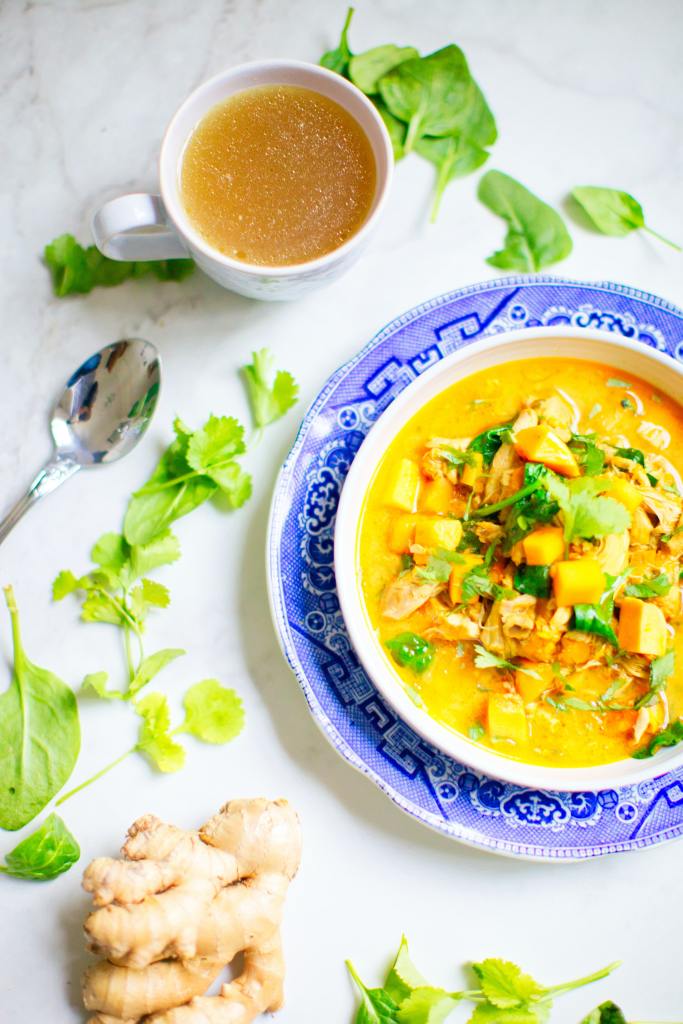
Turmeric Use in Cooking: Most of the traditional Indian meals – be in Veg or Non-Veg surely uses turmeric powder as a vital spice to enrich the taste of the food leaves alone its therapeutic properties. It is widely used as a food colouring material. A small dose of its turmeric powder would add a golden hue to a salad. This Golden spice is widely used in all recipes that use rice, lentils and dry beans and is an essential ingredient in various Indian food preparations for taste and colouring.
Turmeric Use in Anemia: Take a dose of 1 Tea Spoon of Turmeric juice mixed with honey every day.
Turmeric Use in Asthma: Boil 1 Glass of Cow Milk with 1 Tea Spoon of Turmeric powder. Advisable to drink it warm only.
Turmeric Use in Burns: Mix 1 Tea Spoon of Turmeric with 1 Tea Spoon of Aloe Gel and apply to burnt area. The Wound will get healed very quickly in a span of a few days.
Turmeric Use in Conjunctivitis: Mix 1 Tea Spoon of crushed, raw turmeric in 1/3 cup of water. Boil and sieve it. 2–3 drops of this mixture may be used in each eye up to 3 times per day.
Turmeric Use in Complexion: Apply a paste of Turmeric on the skin before bed, and wash off after a few minutes. In the morning, remove any remaining yellow tinge with a paste of chickpea flour (Besan) and oil.
Turmeric Use in Dental problems: Mix 1 Tea Spoon of Turmeric with ½ Tea Spoon of salt. Add mustard oil to make a paste. Rub the teeth and gums with this paste twice daily.
Turmeric Use in Diabetes: Take Half Tea Spoon of Organic Turmeric powder in hot water. This should be taken 3 times a day.
Turmeric use in Diarrhea: Take ½ Tea Spoon of Turmeric powder or juice in water, 3 times per day.
Turmeric Use in Pain: Mix 1 Tea Spoon of Turmeric and 2 Tea Spoon of Ginger with water to make a paste. Spread over a cloth, place on the affected area and bandage. Add 1 Tea Spoon of turmeric to 1 cup of warm milk and drink before bed.
Other Uses of Turmeric: In some places, Turmeric is burnt to ward off the insets. The smoke of burnt Turmeric inhaled can assist in coughs, asthma and congested nasal passages.
A Turmeric/water decoction, 1:20, is used to treat conjunctivitis and eye disease in general. Soak a cloth in the decoction and then cover the eye with it. This helps to relieve the pain as well.
How to handle Turmeric Powder
- Turmeric Powder should be stored in a cool, dry place protected from light.
- Too much heat will volatilize and dissipate its aromatic essential oil
- High humidity will cause it to cake.
- Sunlight will cause it to fade.
- Older stock is used first.
- Tightly close containers after each use.
- Open to air for a long time will cause flavor and aroma loss.
Reference:
General Information from Publications & Internet
 DivineSoulCare
These are actually great ideas in concerning blogging.
LikeLike
I love looking through a post that can make people think. Also, many thanks for permitting me to comment!
LikeLike